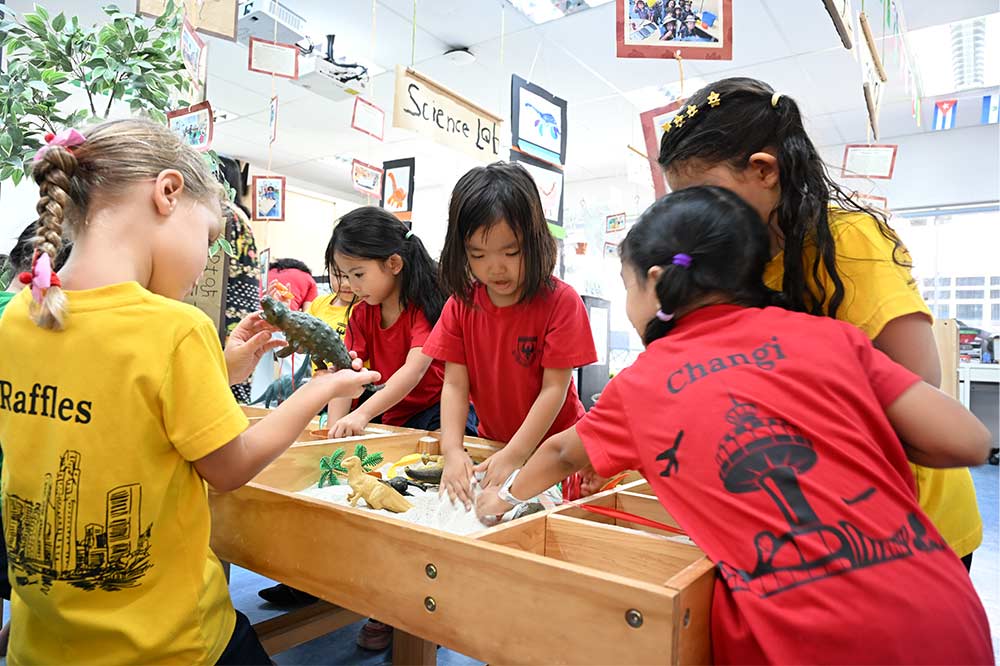

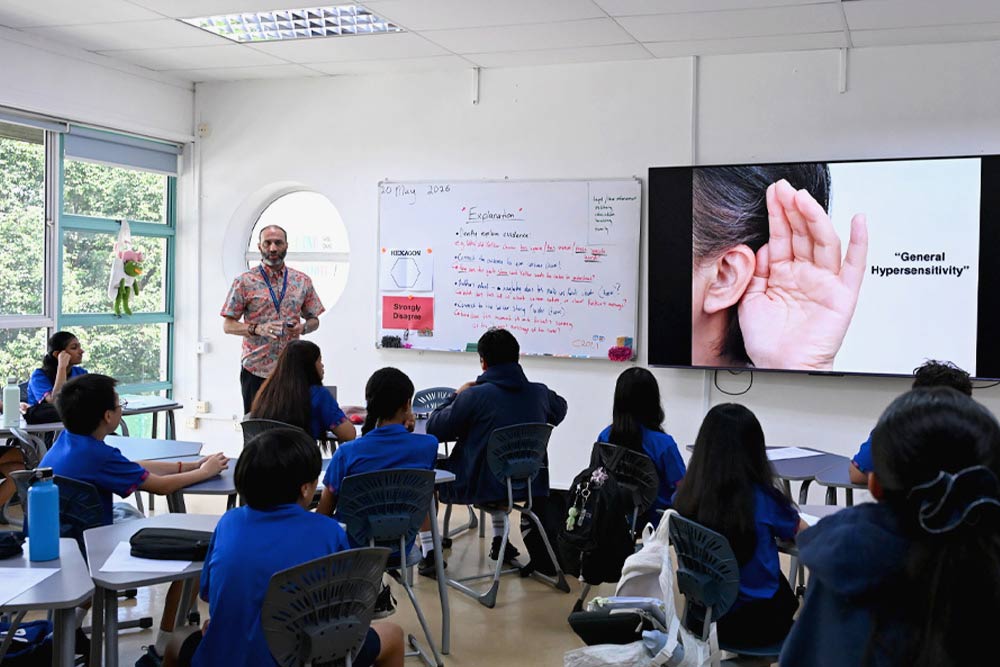
Unjudging Someone: How the Human Library Revived Storytelling for Diversity Week
When was the last time you listened to someone whose life journey was vastly different from your own, without feeling the urge to disagree, judge, or project your own story onto theirs?
Can you recall a moment when a grandparent sat you down and said, "Let me tell you a story"?
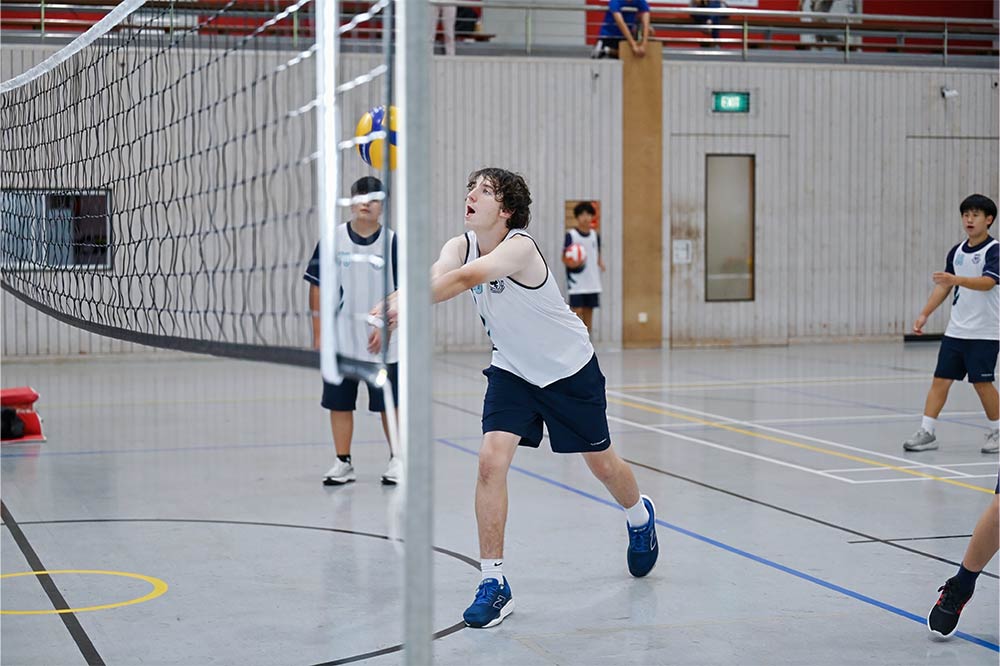
Why Sportsmanship is the Ultimate Life Skill
When parents watch their children compete, the instinct is to focus on the result. But the moments that shape a child's character rarely happen on the podium. They happen in the seconds after a loss, in the choice to congratulate someone who outperformed them, in the decision to keep going when the outcome is already decided. Sportsmanship is often spoken about as though it belongs on the field. The truth is that it’s one of the most transferable skills a child can develop, and the schools that understand this don't simply teach sport. They use it.
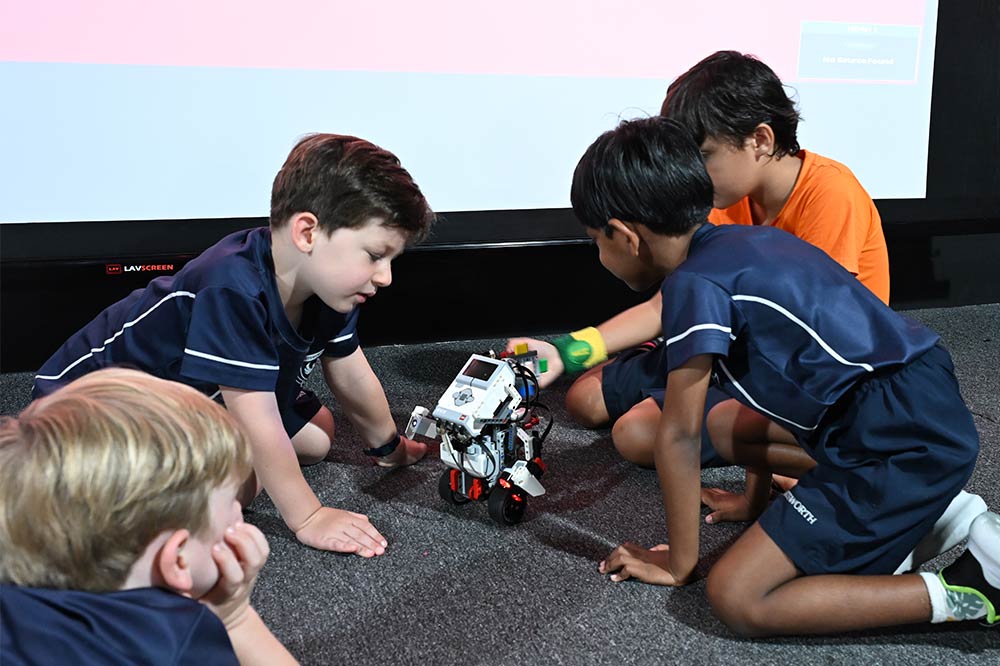
Empowering Students Through Hands-On STEAM Education
Most parents want their children to be good at science and maths. Fewer stop to ask what good actually means in a world where challenges don't arrive pre-sorted by subject.
How Experiential Learning Turns Lessons into Life Skills
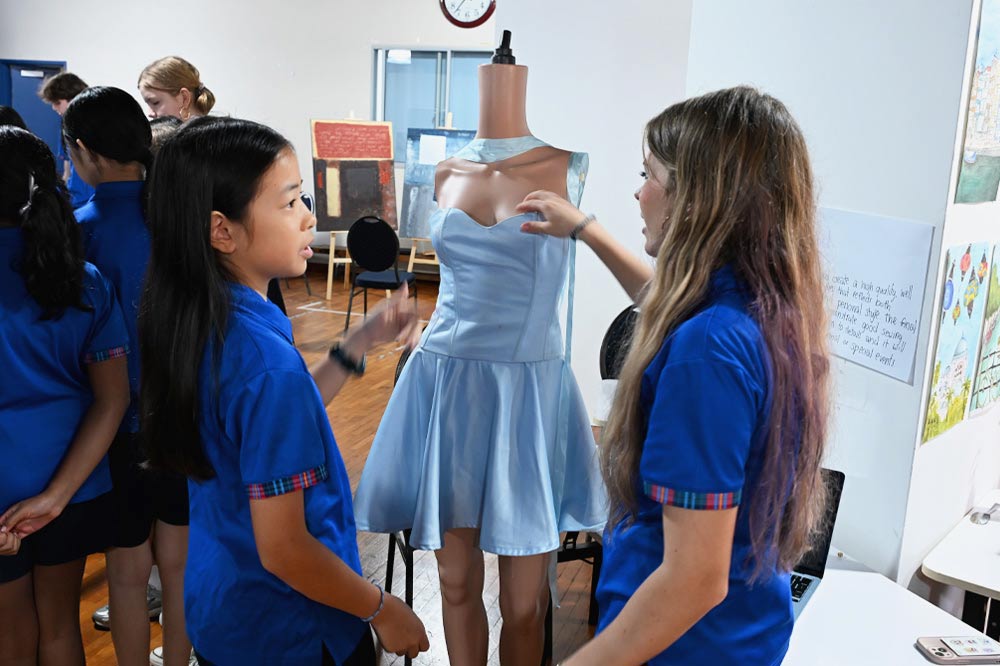
There's a version of school where students sit, absorb, and reproduce. And then there's a version where they question, test, fail, and figure it out. The gap between those two experiences isn't just pedagogical. It shows up years later, in how confidently your child navigates a problem they've never encountered before, in how they respond when there's no textbook answer. Experiential education is built on this premise: that children learn best not by being told, but by doing, reflecting, and participating.
Why Teacher-Student Relationship Matters Most
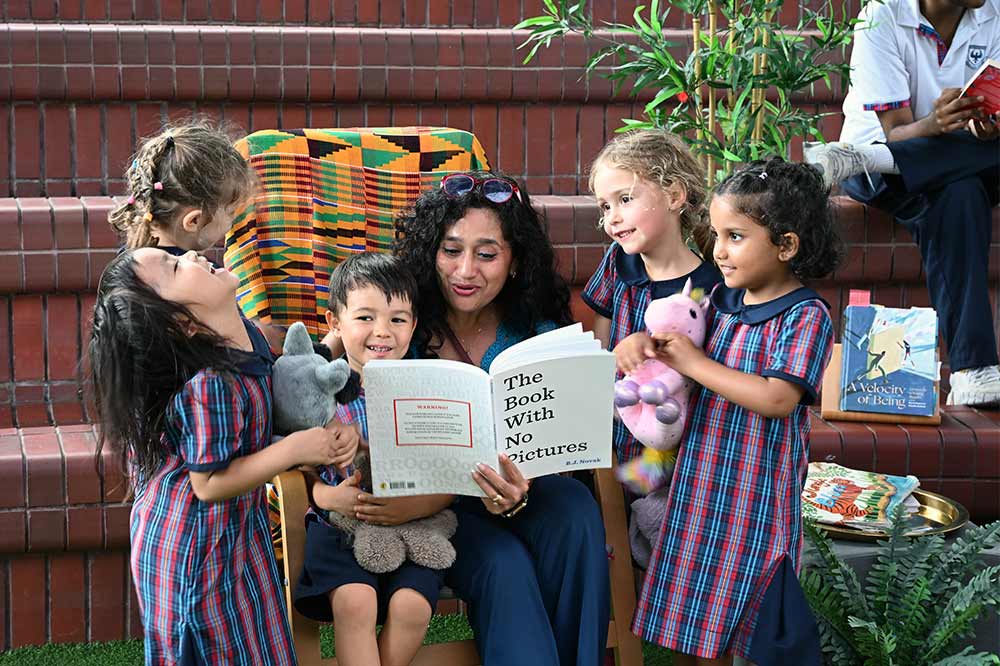
When parents evaluate international schools in Singapore, the conversation often centres on curriculum, facilities, and results. These things matter, but they’re rarely what a student remembers most. What stays with them, long after the exams are over, is how their teachers made them feel: whether they were seen, supported, and genuinely cared for.
How ATL Skills Build the Foundation of the IB Journey
If you've been researching IB schools in Singapore, you've likely come across the term "ATL skills" and perhaps wondered what it actually means for your child's day-to-day learning. Approaches to Learning (ATL) skills are the five core skill sets that the IB believes every student needs to become a confident, capable, and independent learner. They’re not a separate subject your child sits for; they’re built into every lesson, every project, and every classroom conversation across the IB continuum.
How to Improve Problem-Solving Skills in Students
In a rapidly changing global economy, the greatest tool your child can possess isn't rote knowledge—it's the mastery of problem-solving. As parents investing in a world-class education, you're looking for more than academic grades; you want assurance that your child is prepared for genuine competence in life. By embracing specific pedagogical strategies, we can empower your child to move beyond finding simple answers and develop the critical thinking and resilience required to approach any challenge with confidence.
Writing Through the Inquiry Cycle
At Chatsworth International School, inquiry is at the heart of how we teach and how our students learn. It shapes the way we think, explore, question and communicate. Writing is woven through this process. It gives our learners a voice and helps them make sense of the ideas they are discovering.
The Impact of Learning Spaces on Students' Experiences
A child's learning extends far beyond a textbook. The physical environment in which they learn plays a profound role in their development, shaping how they interact with peers, engage with lessons, and feel about their school day. These spaces are intentionally designed to inspire curiosity, encourage collaboration, and nurture a student's sense of belonging.
Beyond the Book: Guided Reading with Purpose at Chatsworth
Guided Reading is a small-group teaching approach that helps students become confident, independent readers. In these sessions, teachers select books that match each child’s reading level and provide support as they practise key reading strategies. Students learn to read with understanding, accuracy, and expression, building the skills needed to tackle increasingly challenging texts over time.