How ATL Skills Build the Foundation of the IB Journey

If you've been researching IB schools in Singapore, you've likely come across the term "ATL skills" and perhaps wondered what it actually means for your child's day-to-day learning. Approaches to Learning (ATL) skills are the five core skill sets that the IB believes every student needs to become a confident, capable, and independent learner. They’re not a separate subject your child sits for; they’re built into every lesson, every project, and every classroom conversation across the IB continuum.
At Chatsworth International School, developing these skills begins from the earliest years, so that by the time your child reaches the demands of the IB Diploma programme, they’re not just academically prepared. They’re ready.
What are the Five ATL Skills for IB?
1. Communication Skills
As a parent, you want your child to be heard—to be able to express their ideas clearly, advocate for themselves, and engage confidently with the world around them. Communication skills in the IB are designed to build exactly that. They go beyond grammar and essay structure to encompass how your child listens, presents, debates, and collaborates in writing, in conversation, and in every medium in between. These are skills your child will draw on in every subject, every year, and every stage of life that follows.
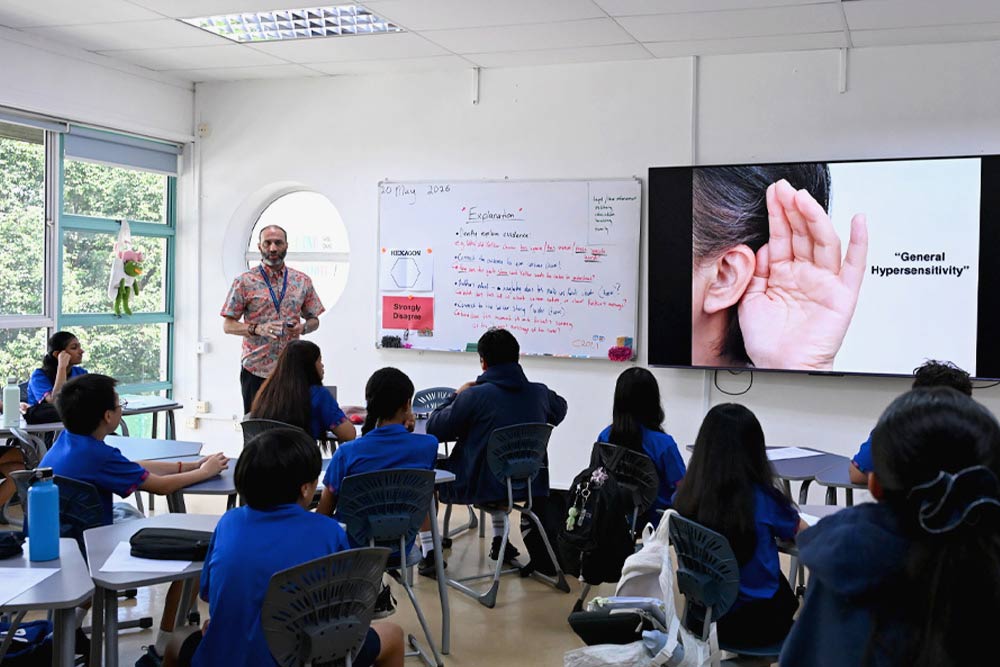
At Chatsworth, communication isn't treated as a standalone lesson; it's embedded into the fabric of daily learning. From the moment students engage in classroom discussions to the time they present their findings to their peers, they’re consistently encouraged to articulate their thinking with clarity and confidence. In small class sizes where every voice is heard, your child is given the space to develop their own.
2. Research Skills
One of the questions parents often ask is: "Will my child be able to handle the IB Diploma's workload?" It's a fair and important question. The IB Diploma requires students to produce an Extended Essay of at least 4,000 words on a self-selected topic—a piece of genuine independent academic research. The students who approach this with confidence are those who have spent years developing strong research skills: the ability to find reliable information, assess it critically, and build an original argument from it.
At Chatsworth, this foundation is laid early and deliberately. Information literacy, media literacy, and digital literacy are part of how students engage with the world around them long before the Diploma arrives. Year 6 students, for instance, have taken on the roles of global delegates at a mock United Nations Summit, where they researched international conflicts, prepared speeches, and presented considered recommendations to their peers. It’s the type of experience that turns research into a genuine intellectual habit rather than a last-minute study skill.
3. Social Skills
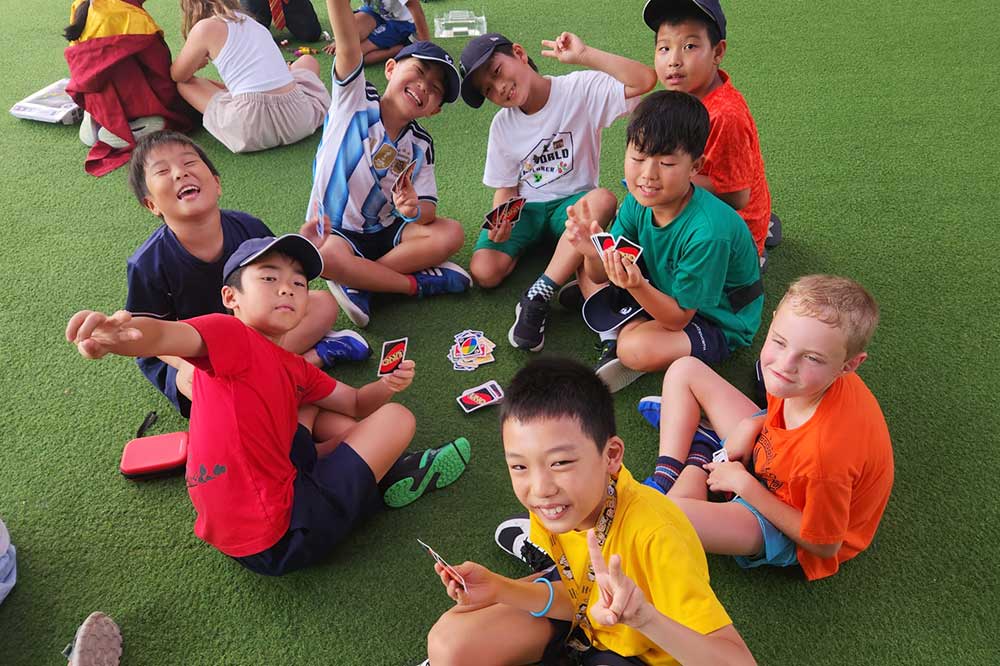
Watching your child learn to work with others—to collaborate, disagree respectfully, and find their place in a community—is one of the most rewarding parts of seeing them grow. Social skills in the IB go beyond classroom cooperation; they’re the foundation of what it means to be a thoughtful, engaged global citizen. For students learning alongside peers from over 55 nationalities, as they do at Chatsworth, every group project and every shared conversation is an opportunity to build the kind of cross-cultural empathy that cannot be taught from a textbook.
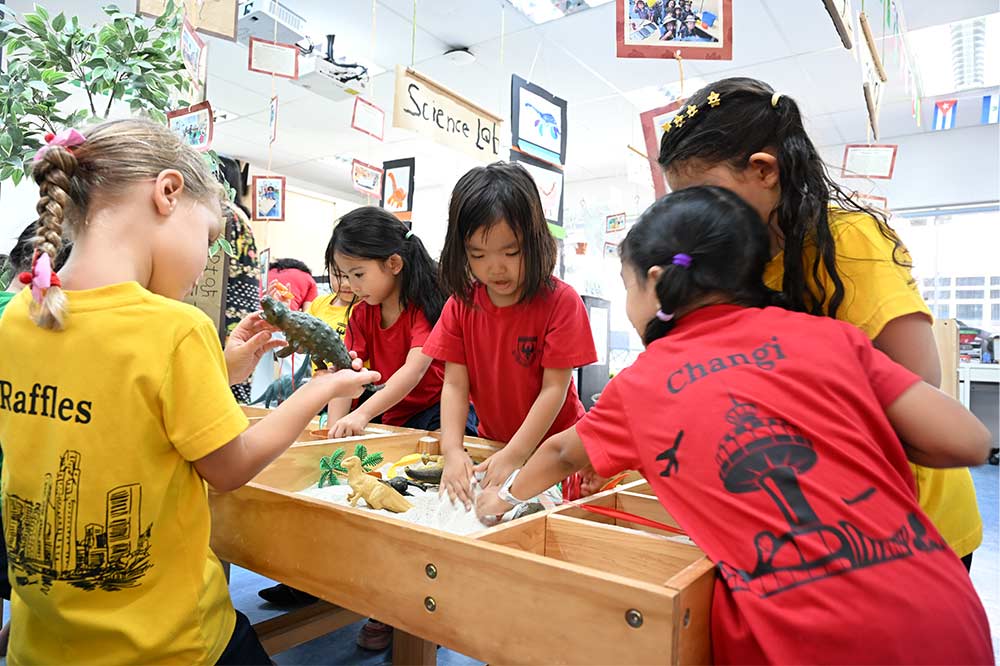
At Chatsworth, these opportunities are created with real intentionality. For example, in a Year 4 unit of inquiry exploring how art reflects culture and personal history, teachers structured deliberate moments—turn-and-talk activities, small group sharing, collaborative artmaking—for students to open up about their own backgrounds and genuinely engage with those of their classmates. In a community as diverse as Chatsworth's, these conversations carry genuine weight. Your child doesn't just learn to work with people who are different from them, they learn to be curious about those differences and to see them as a source of richness rather than difficulty.
4. Self-Management Skills
Every parent knows that academic ability alone doesn't determine how well a child does—it's the ability to organise themselves, manage their emotions, and bounce back from setbacks that makes the real difference. Self-management skills in the IB encompass exactly this: the organisational habits that help your child stay on top of their workload, the affective skills that help them regulate stress and stay motivated, and the practice of reflection that helps them learn from both their successes and their mistakes.
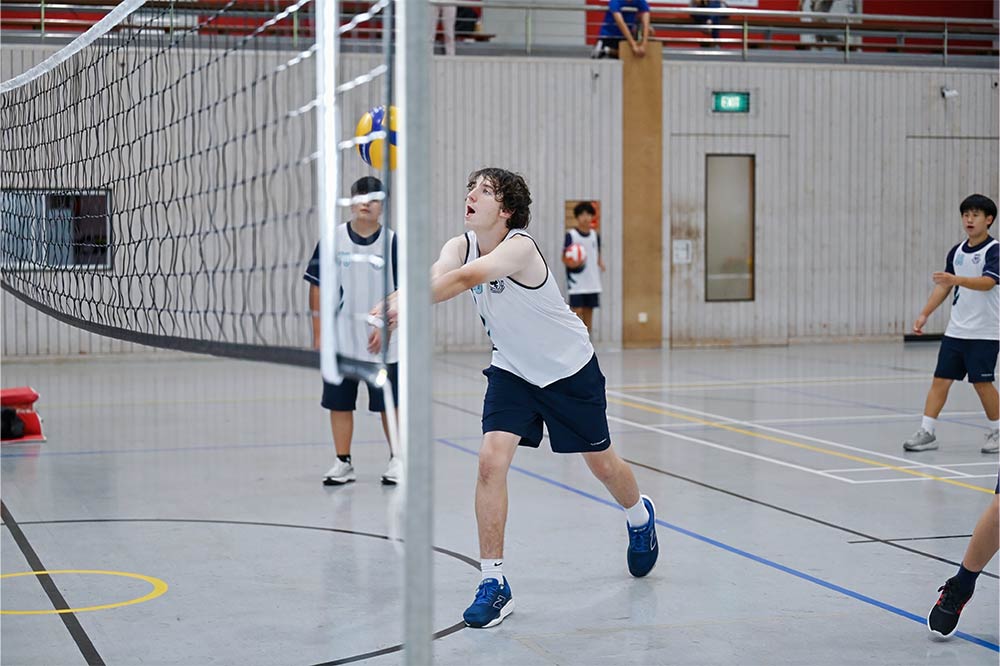
At Chatsworth, students are guided from a young age to take genuine ownership of their own learning. They’re inspired to see themselves not as passive recipients of education, but as active participants in their own growth. This ownership is further reinforced through the school's extensive Co-Curricular activities (CCAs) and Extracurricular activities (ECAs), which offer close to 60 options across arts, sports, and enrichment. Committing to these activities alongside academic responsibilities teaches your child, in a very tangible way, how to manage their time, honour their commitments, and develop the resilience to keep going when things get challenging.
5. Thinking Skills
Perhaps more than any other ATL skill, thinking skills are what will define your child's ability to thrive not just in an international school in Singapore, but in a world that increasingly rewards adaptability, creativity, and the capacity for independent thought. The IB develops three interconnected dimensions here:
Critical thinking helps your child question assumptions and evaluate evidence.
Creative thinking empowers them to approach problems from unexpected angles.
The ability to transfer learning, applying what they know in one context to make sense of something entirely new.
At Chatsworth, the development of these skills is rooted in a culture of genuine inquiry. Students are encouraged from the earliest years to not simply accept information at face value, but to seek it out, question it, and verify it independently.
The Skills That Stay With Them
Academic results open doors, but it is who your child becomes in the process of earning them that determines what they do once they walk through. ATL skills are how the IB ensures that your child graduates not just qualified, but genuinely equipped. At Chatsworth, that development is not left to chance. It is something we invest in every single day.