How to Improve Problem-Solving Skills in Students

In a rapidly changing global economy, the greatest tool your child can possess isn't rote knowledge—it's the mastery of problem-solving. As parents investing in a world-class education, you're looking for more than academic grades; you want assurance that your child is prepared for genuine competence in life. By embracing specific pedagogical strategies, we can empower your child to move beyond finding simple answers and develop the critical thinking and resilience required to approach any challenge with confidence.
Importance of Problem-Solving Skills
Strong problem-solving skills are the foundation of true independence. When students cultivate this ability, they gain more than just analytical methods; they develop adaptability and resilience, learning that challenges are opportunities for growth, not roadblocks. This competency empowers them to think creatively, manage ambiguity, and articulate solutions effectively. Ultimately, embedding these skills ensures your child is prepared to be confident, innovative, and capable of leading change in the global community, no matter the path they choose.
Strategies and Techniques to Improve Problem-Solving Skills
Developing robust problem-solving skills requires more than textbook lessons; it demands purposeful engagement and an educational framework that values inquiry and application. At Chatsworth International School, we embed several core strategies and techniques into our curriculum to ensure students become dynamic thinkers.
Utilising Inquiry-Based Learning Approach
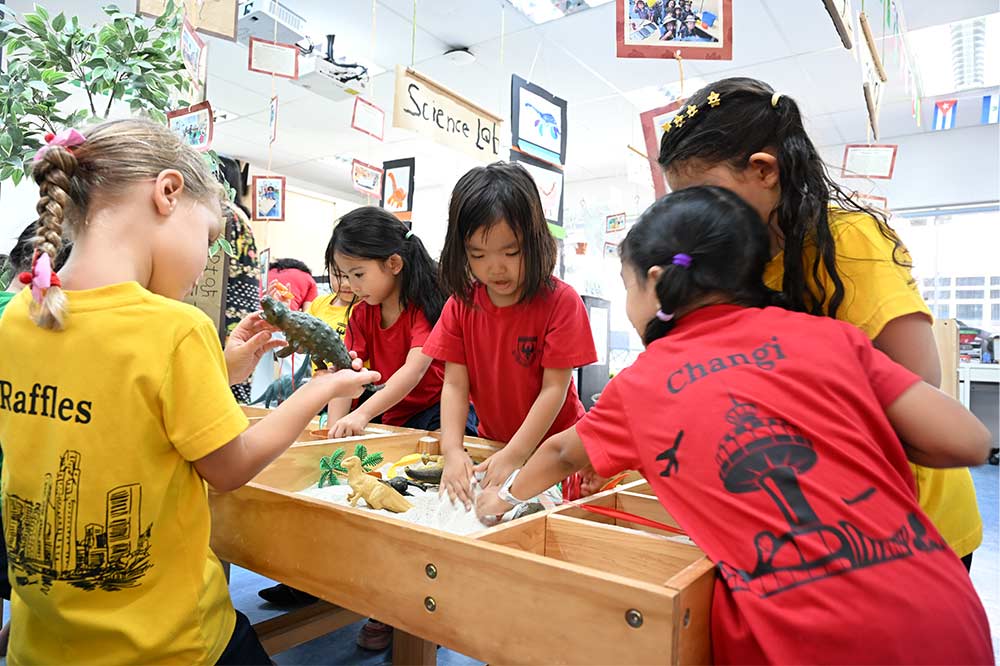
Inquiry-based learning is essential for developing methodical problem-solving skills because it places a central question at the heart of the learning process. Our teachers at Chatsworth use structured frameworks, such as the Kath Murdoch inquiry cycle, to bring organisation and depth to student investigations. This process guides students through interconnected stages, from Tuning In and Finding Out to Sorting Out, Going Further, and finally, Taking Action, teaching them the analytical steps required to approach and solve complex problems in a systematic and reflective manner.
Prioritise Students' Agency

Empowering students with agency, giving them ownership and a voice in their education, is key to boosting their confidence as problem-solvers. The IB programme in Singapore actively supports this by encouraging collaboration and shared decision-making, moving away from rigid, traditional classroom structures. This commitment is central to Chatsworth’s dedication to developing active, well-rounded global participants.
A prime example of this is our IB Primary Years Programme (PYP) Student-Led Conferences (SLCs). Unlike traditional parent-teacher meetings, your child takes the lead in SLCs, guiding you through their learning portfolio, reflecting on their growth, and articulating their achievements and goals. This powerful experience gives them genuine ownership of their progress, thereby taking direct responsibility for their educational journey.
Project-Based Learning
Project-based learning is a transformative approach that moves beyond short assignments, providing students with intensive, long-term opportunities to tackle authentic challenges. This method is rigorous because it forces students to synthesise knowledge from multiple subject areas, ultimately sharpening their critical skills through real-world application. The commitment required, often lasting several months, models professional settings and cultivates executive function skills like planning and time management.
The IB Middle Years Programme (MYP) Personal Project, for instance, is a year-long, independent research endeavour where final-year MYP students dedicate themselves to designing and executing a solution or product addressing a self-selected problem. This project demands that they inquire, reflect, and create, giving them deep ownership over their learning.
Beyond individual requirements, Chatsworth students also actively engage in crucial service-learning activities. This includes local initiatives, such as food drives with Food Bank Singapore, and fundraising for regional charities, like Blue Dragon’s Children Foundation and Caring for Cambodia, instilling both critical problem-solving skills and a strong sense of social responsibility.
Encourage Discussion and Collaboration
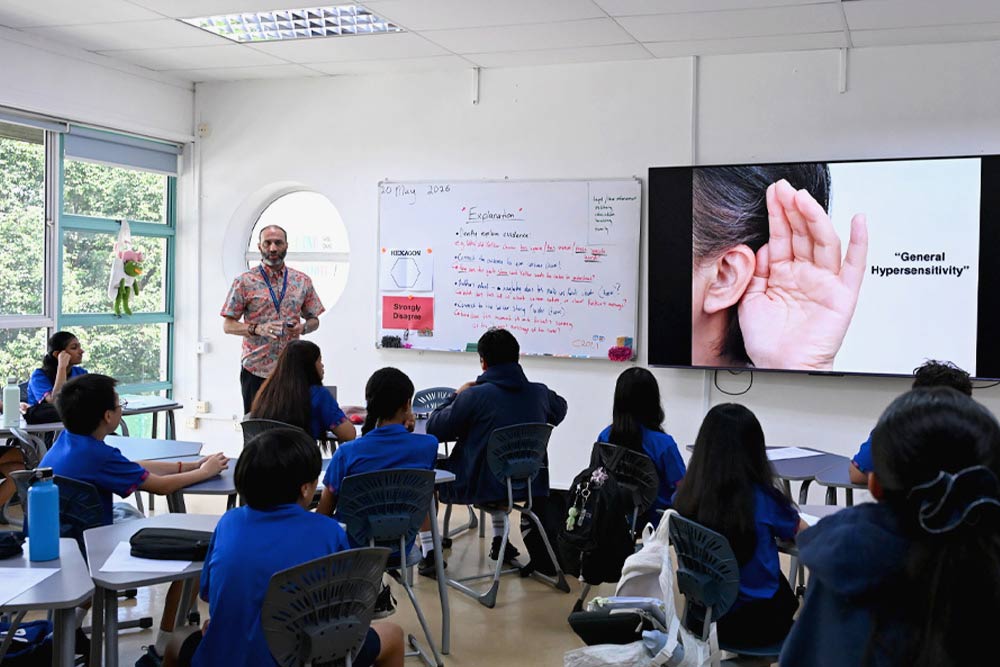
Effective problem-solving in the modern world is rarely a solitary task; it requires collaboration and effective teamwork. To foster this social skill, we emphasise structured group activities. For instance, structured activities like inter-class gallery walks allow students to showcase their projects, giving peers the opportunity to view and learn from the diverse approaches others took to solve the same problem. This collaboration enhances students' social and emotional learning, builds stronger academic foundations, and prepares them for the interconnected, team-based environments they will eventually navigate.
Cultivating Tomorrow's Competence
Developing problem-solving skills is the most crucial investment you can make in your child’s future resilience and success. At Chatsworth International School, we move beyond teaching mere facts by focusing on how to learn and how to adapt. By embedding strategies like inquiry-based learning and fostering genuine student agency, we ensure your child is equipped with the critical thinking and confidence necessary to address real-world challenges. This deliberate focus ensures that every Chatsworth graduate is not just ready for their next academic step, but is prepared to embrace complexity, innovate solutions, and create meaningful change in the world.