Writing Through the Inquiry Cycle

At Chatsworth International School, inquiry is at the heart of how we teach and how our students learn. It shapes the way we think, explore, question and communicate. Writing is woven through this process. It gives our learners a voice and helps them make sense of the ideas they are discovering.
Teachers at Chatsworth use Kath Murdoch’s inquiry cycle to bring structure and reflection into their classrooms. The cycle has five interconnected stages: Tuning In, Finding Out, Sorting Out, Going Further and Taking Action. It reminds us that inquiry is not a one-off event or something that happens only at certain times of the day. It is ongoing and dynamic, looping back as new questions and understandings emerge. The same is true for writing. Writers move fluidly through the stages of prewriting, drafting, revising, editing and publishing, a process that reflects the natural rhythm of inquiry itself.
When we bring writing and inquiry together, writing becomes more than a literacy skill. It becomes a way of exploring ideas, connecting concepts and expressing understanding. The writing process at Chatsworth connects closely with the stages of the inquiry cycle. The following sections explore how each phase supports and strengthens students’ growth as writers.
Tuning In: Building a Foundation for Writing
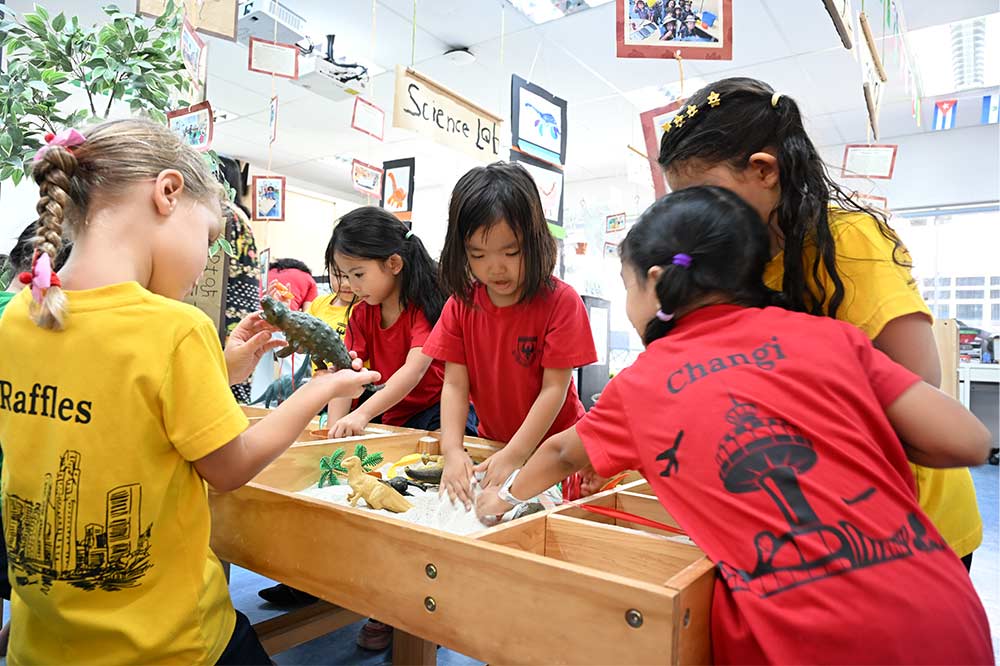
In the tuning in phase, writing instruction activates prior knowledge and sparks curiosity. Teachers encourage learners to write informally, jotting down thoughts, questions and observations. In the early years, this may involve experimenting with tools, drawing or creating lists and invitations linked to the Unit of Inquiry. Older students might brainstorm wonder questions, compose “I wonder” statements or freewrite to explore ideas before research begins.
This prewriting stage helps students build confidence as they share ideas and experiment with their thinking. It provides a starting point for inquiry, allowing them to connect personal experiences to new concepts. At Chatsworth, this phase emphasises writing as a tool for exploration rather than perfection.
Finding Out: Writing as a Tool for Research and Reflection
During the finding out phase, writing becomes an active part of research and information gathering. Students record notes, summarise facts and reflect on learning from books, videos and discussions. Younger learners may label diagrams or describe what they observe in experiments, while older students write explanations, compare sources and develop notes for information reports.
Teachers model how skilled writers gather and organise information, highlighting techniques such as note-taking, paraphrasing and annotation. Across the school, students learn to identify key details and link their writing to inquiry. These drafting and organising skills help them develop critical literacy and communicate their understanding clearly.
Sorting Out: Organising Ideas Through Writing
When students move into sorting out, writing helps them organise and clarify their thinking. Teachers guide learners to use graphic organisers, outlines or draft paragraphs. Younger students might plan simple stories or recounts, while older writers group facts for reports or design headings for persuasive pieces.
Writing here is a thinking process. Students test connections between ideas, compare perspectives and begin to shape their message. This stage encourages revision and reflection as they refine their understanding.

Going Further: Developing Voice and Audience Awareness
Inquiry deepens as students explore new perspectives and follow personal interests. Writing instruction at Chatsworth fosters purposeful expression. Students experiment with genres such as stories, persuasive letters, news reports, information texts and poems, tailoring their writing to specific audiences and purposes. They might write reflections, persuasive pieces about sustainability or creative stories that show understanding through narrative.
Teachers guide them through revising and editing, offering feedback on voice, structure and clarity. Students use rubrics and success criteria to reflect on progress and apply feedback to strengthen their writing. As they move through this stage, they begin to see themselves as communicators with something important to say.

Making Conclusions: Reflecting and Refining Through Writing
In the making conclusions phase, writing helps students consolidate learning and reflect on growth. Chatsworth classrooms emphasise revision as a tool for clarity and insight rather than simple correction. Students revisit early drafts to see how their ideas have evolved, refining their language and editing for accuracy and meaning.
Across the school, younger writers might revisit stories to add detail, while older students use rubrics and peer feedback to refine arguments or polish reports. Success criteria guide goal setting and reflection. This stage nurtures a growth mindset and helps students see writing as a process of continual improvement.
Taking Action: Sharing Writing with Purpose
The inquiry cycle comes together in taking action, where writing becomes a meaningful way for students to share their learning and connect beyond the classroom. At Chatsworth, students publish class books, perform readings inspired by our guided reading approach, contribute to newsletters or share through digital platforms. Younger learners create captions and stories alongside their artwork, while older students write articles, poems or persuasive speeches on issues that matter to them.
These authentic opportunities help students recognise the power of their words and the impact their writing can have. Writing moves beyond the classroom and becomes a tool for expression, connection and positive change.
Writing as Inquiry
When we see writing through the lens of inquiry, it becomes more than just a subject. It becomes a journey of curiosity, reflection and self-expression. Each part of the writing process, from the first ideas to the final piece, helps students ask questions, explore their thinking and share what they have learned.
At Chatsworth, we see writing as something that grows and evolves, just like inquiry. Both invite curiosity, courage and connection. Through writing, our students learn to think deeply, express their ideas clearly and use their words to make a positive difference as thoughtful and confident learners.
____________________________________
Reference
Murdoch, Kath. The Power of Inquiry: Teaching and Learning with Curiosity, Creativity and Purpose in the Contemporary Classroom. Kath Murdoch Consulting, 2015.