How Experiential Learning Turns Lessons into Life Skills
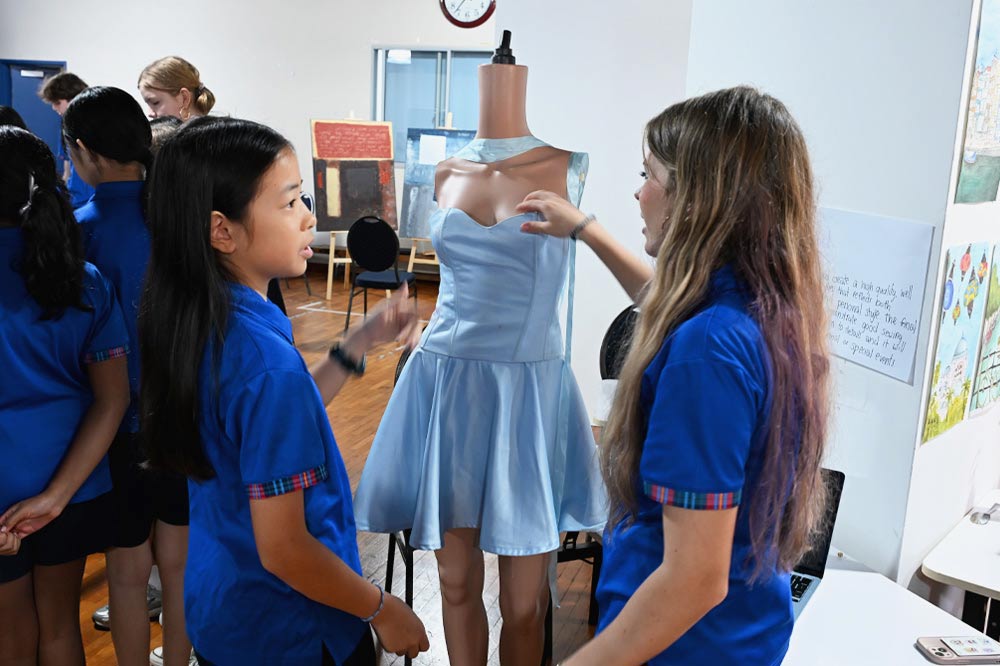
There's a version of school where students sit, absorb, and reproduce. And then there's a version where they question, test, fail, and figure it out. The gap between those two experiences isn't just pedagogical. It shows up years later, in how confidently your child navigates a problem they've never encountered before, in how they respond when there's no textbook answer. Experiential education is built on this premise: that children learn best not by being told, but by doing, reflecting, and participating. For parents choosing a school, understanding this approach can shift the question you ask from "what does my child learn here?" to "how does my child learn here?"
What's Experiential Learning?
Experiential learning is a structured approach to education that places direct experience at the centre of the learning process. Rather than delivering information for students to receive and repeat, it invites them to engage with problems, make decisions, and draw meaning from what they've encountered. The idea, shaped significantly by educational theorist David Kolb in the 1970s, is that knowledge isn't handed over; it's constructed through experience. Students don't just learn about something; they work through it, which means the understanding they arrive at is genuinely their own.
What are the 4 Stages of Experiential Learning?
Kolb's theory breaks the learning cycle into four distinct stages, each one building on the last. Together, they move a student from simply encountering an experience to genuinely understanding and applying what they've learned.
Concrete Experience: This is where learning begins. The student encounters something directly, whether through a hands-on activity, a collaborative project, or a real-world scenario. It's the doing before the knowing.
Reflective Observation: After the experience, the student steps back to consider what happened. What went well? What didn't? What surprised them? This is where raw experience starts to become insight.
Abstract Conceptualisation: Here, the student connects what they've observed to broader ideas and principles. They move from "this is what happened" to "this is what it means," forming conclusions they can carry forward.
Active Experimentation: The student takes what they've understood and tries it again, differently. They test their new thinking, which either reinforces it or sends them back around the cycle with sharper questions.
Skills over Seats: How Experiential Learning Prepares Students for the Real World
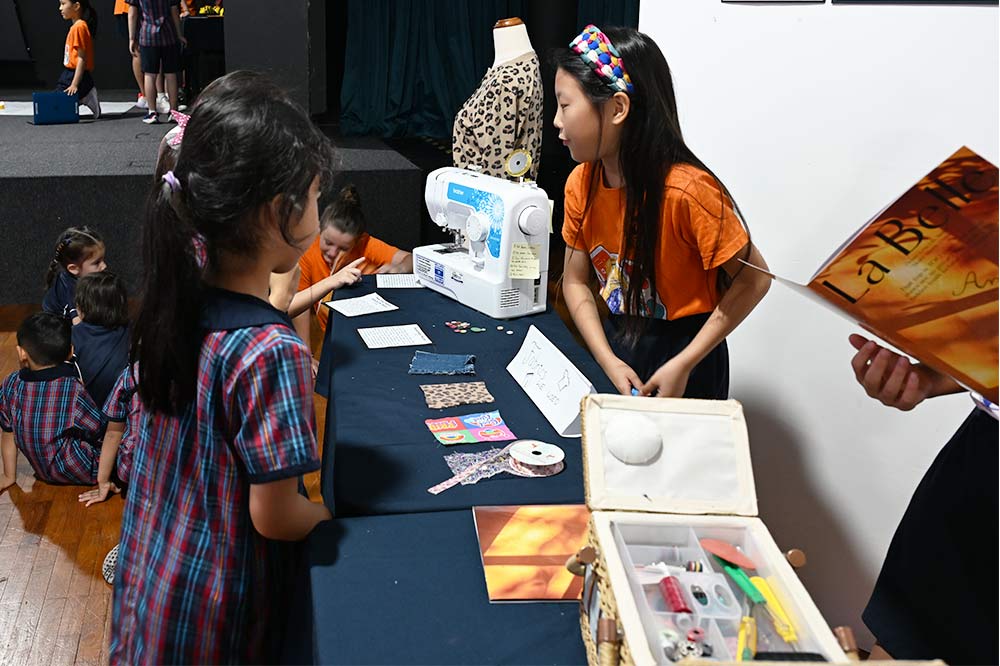
Teacher-Centred vs Learner-Centred
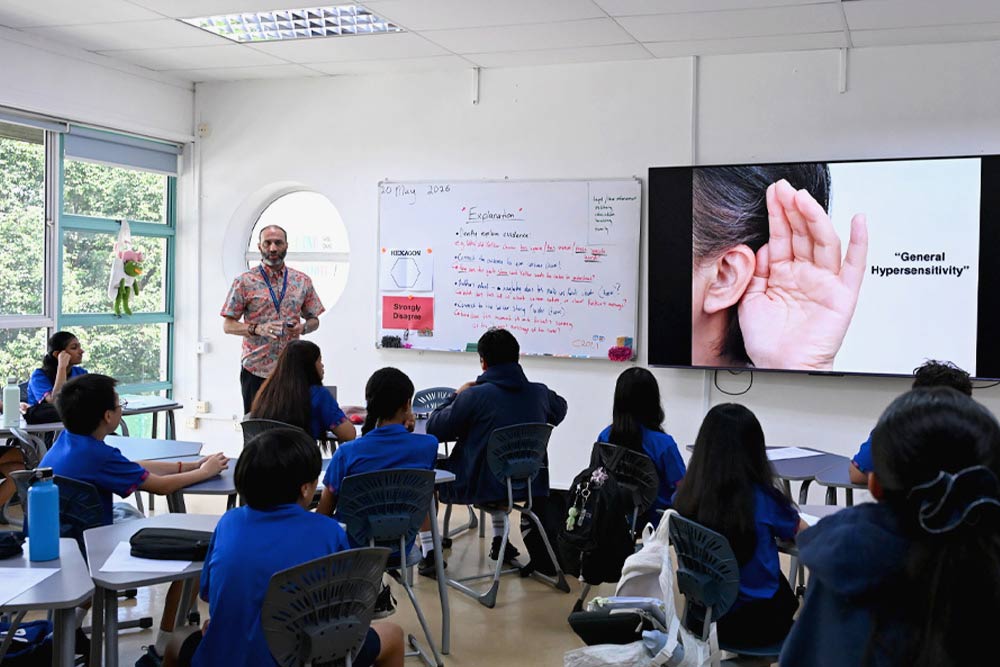
Most of us were educated in classrooms where the teacher talked and the students listened. That model isn't without merit, but it places the student in a fundamentally passive position: receiving knowledge rather than building it. A learner-centred classroom asks something different of a student. They are expected to question, to form opinions, to take ownership of where their understanding is heading. The teacher doesn't step back; they step alongside. And what emerges from that dynamic is a student who knows how to think, not just what to think.
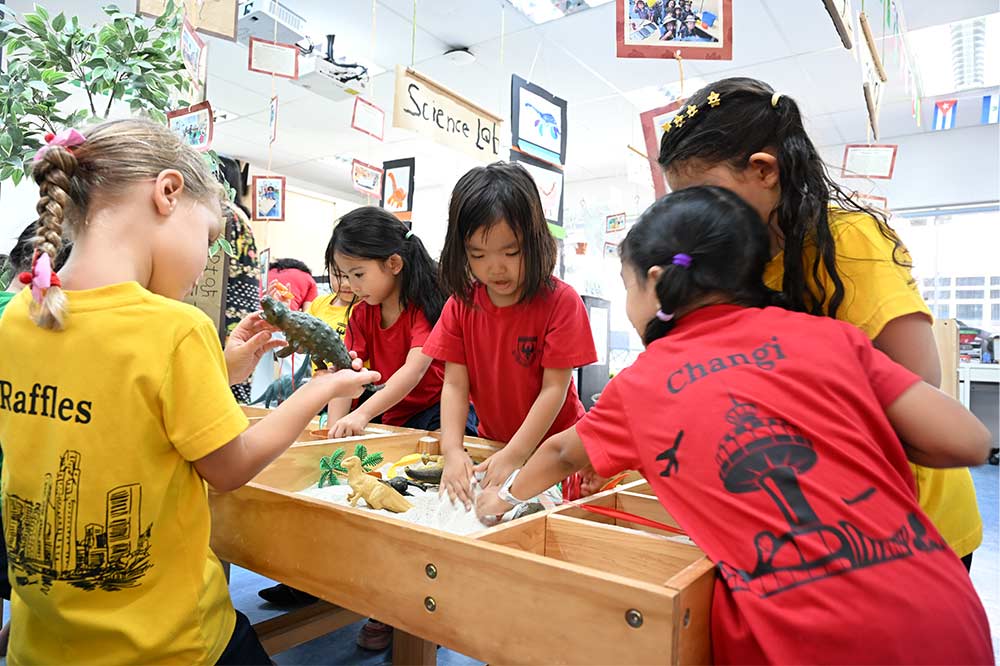
That shift begins early at Chatsworth International School. The IB Primary Years Programme, which supports children aged 5 to 11, is built around inquiry-based learning: a structured approach where students question, explore, and collaborate, with teachers acting as facilitators rather than sole authorities. Rather than being seen as interruptions, play, discovery, and individual curiosity are seen as methods of learning. By the time a student moves through to the later years of their education, the habit of taking ownership of their own thinking is already well established.
Small class sizes sustain this throughout, giving teachers the room to track how each student is developing and adjust accordingly, something that simply isn't possible when a teacher is managing thirty students from the front of a room.
Passive Absorption vs Active Engagement
There's a difference between a child who can recall what they were taught and one who can actually use it. Passive learning, for all its efficiency, tends to produce the former. When students are only asked to listen and remember, they rarely encounter the friction that deepens understanding. Active engagement introduces that friction deliberately. It asks students to apply what they know, defend a position, collaborate toward a solution, or investigate something that doesn't have a tidy answer. That process of working through difficulty, rather than around it, is where genuine comprehension is formed.
Chatsworth's IB curriculum is designed with active engagement built in. Students undertake independent research, engage in projects that cross subject boundaries, and regularly present their ideas to audiences beyond their classroom. They're being asked, consistently, to show their thinking rather than simply repeat it.
Standardised Pacing vs Individualised Exploration
A classroom where every student is expected to move at the same pace through the same content will always serve some students well and others poorly. The ones who grasp things quickly run out of challenges. The ones who need more time run out of space. Neither outcome is good, and both are quietly common. Individualised exploration starts from a different premise: that students learn best when the pace and depth of their learning reflects where they actually are, not where they're supposed to be.
At Chatsworth, this isn't an aspiration worked toward in theory. The school's small classes and IB framework create the conditions for it in practice. Nowhere is this more visible than in the IB Middle Years Programme, where students undertake a self-driven Personal Project: an independent research endeavour that asks them to inquire, explore, and creatively present something they are interested in or genuinely care about. There’s no single right answer, no shared template. Each student defines the question and owns the outcome. Teachers have the proximity to know when to push and when to let something breathe, and students emerge with more than a completed project. They develop a relationship with learning itself, not just with the content they're required to cover.
What Your Child Carries Out of the Classroom
The real measure of an education isn't what a student can produce under exam conditions. It's what they reach for when no one is watching, when the problem is unfamiliar and the answer isn't obvious. Experiential learning, done well, builds that kind of readiness. Not because it avoids rigour, but because it asks students to use their learning rather than simply store it. The child who has been taught this way doesn't just know more. They know differently. And that difference has a long reach.