
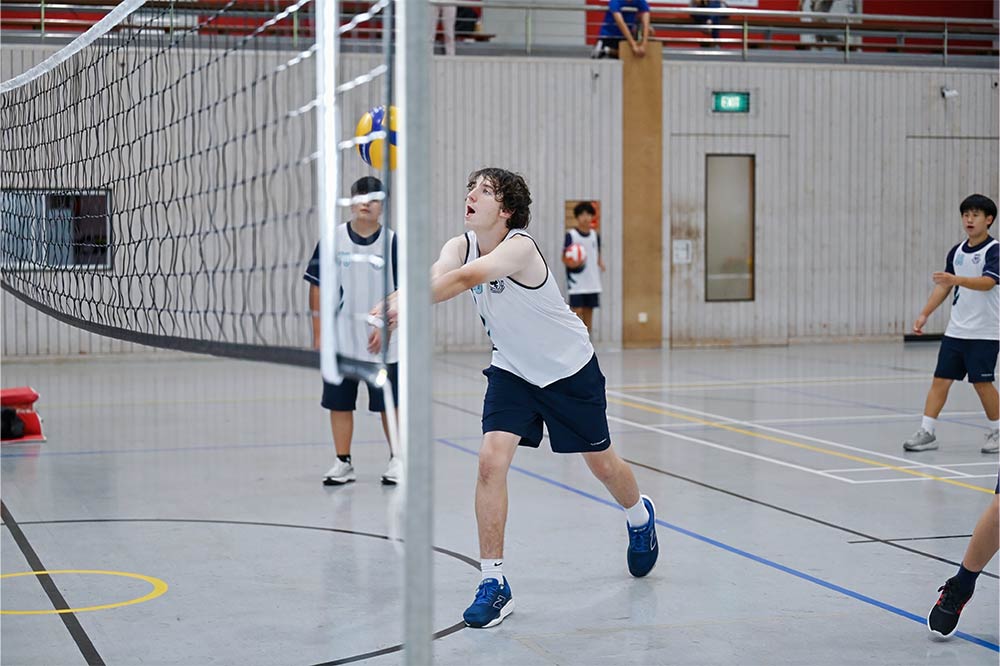
Why Sportsmanship is the Ultimate Life Skill
When parents watch their children compete, the instinct is to focus on the result. But the moments that shape a child's character rarely happen on the podium. They happen in the seconds after a loss, in the choice to congratulate someone who outperformed them, in the decision to keep going when the outcome is already decided. Sportsmanship is often spoken about as though it belongs on the field. The truth is that it’s one of the most transferable skills a child can develop, and the schools that understand this don't simply teach sport. They use it.
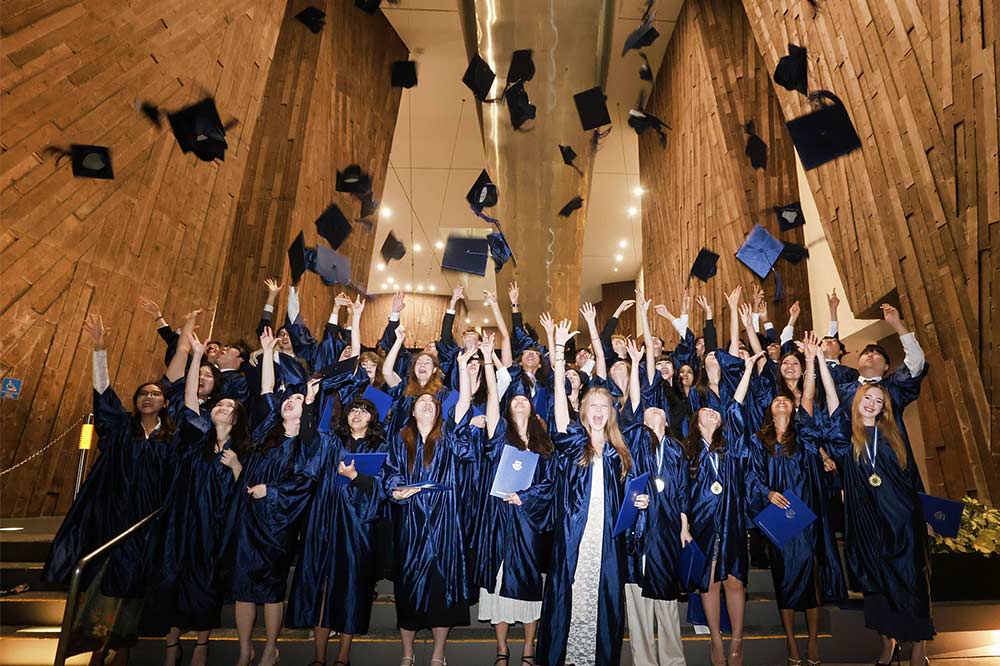
Celebrating The Class of 2026: Outstanding IB Results
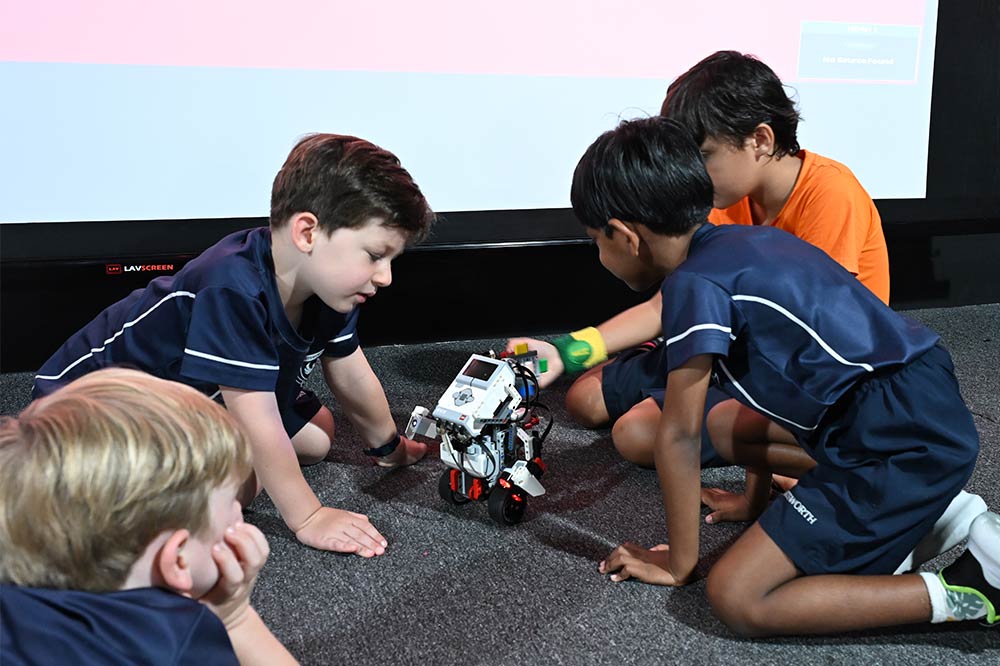
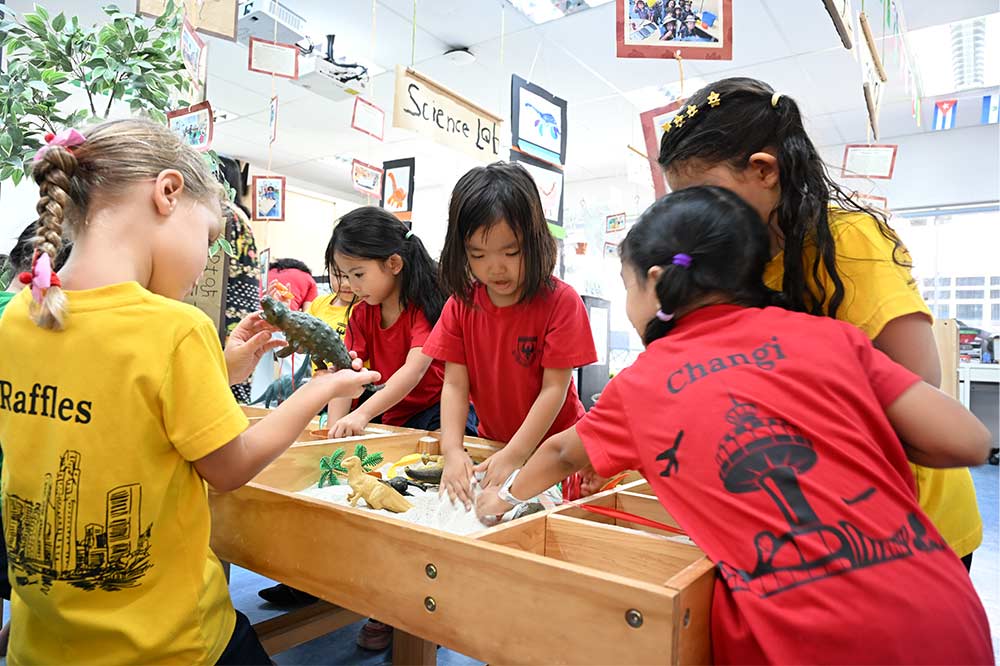
Empowering Students Through Hands-On STEAM Education
Most parents want their children to be good at science and maths. Fewer stop to ask what good actually means in a world where challenges don't arrive pre-sorted by subject.
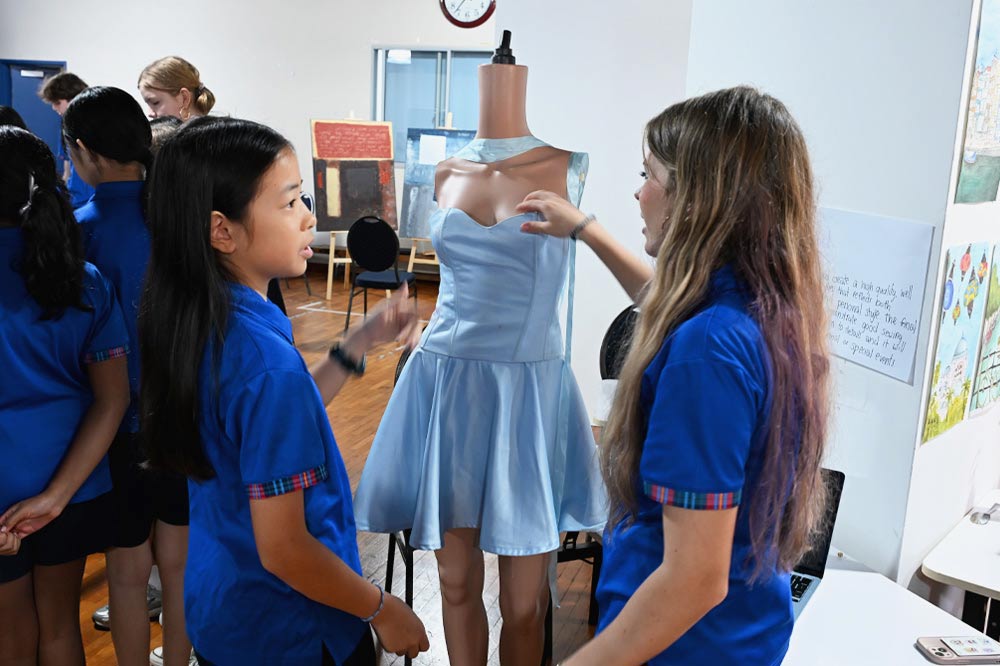
How Experiential Learning Turns Lessons into Life Skills
There's a version of school where students sit, absorb, and reproduce. And then there's a version where they question, test, fail, and figure it out. The gap between those two experiences isn't just pedagogical. It shows up years later, in how confidently your child navigates a problem they've never encountered before, in how they respond when there's no textbook answer. Experiential education is built on this premise: that children learn best not by being told, but by doing, reflecting, and participating.
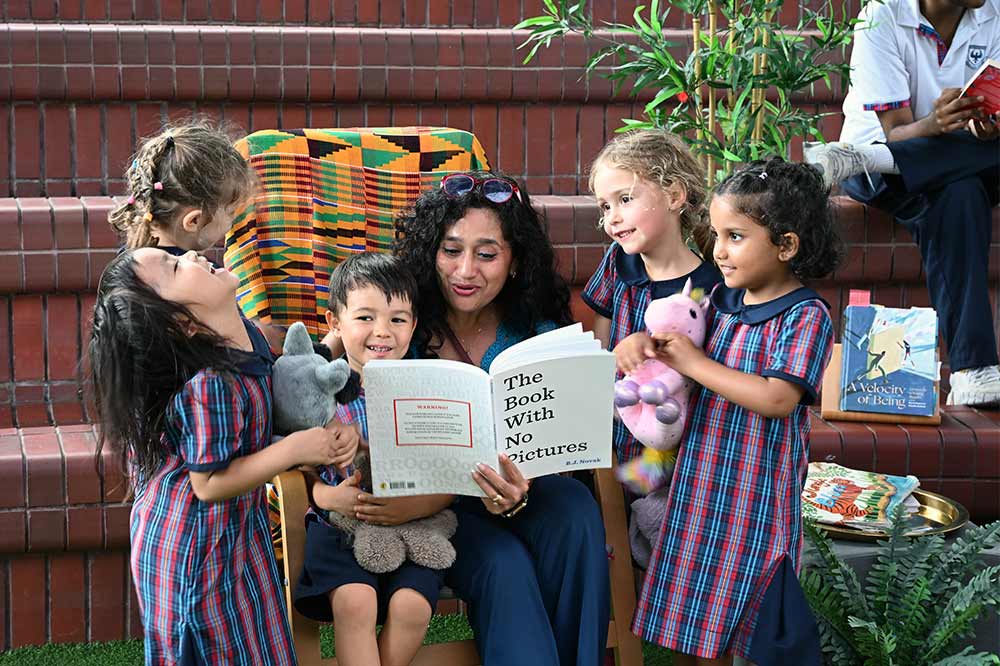
Why Teacher-Student Relationship Matters Most
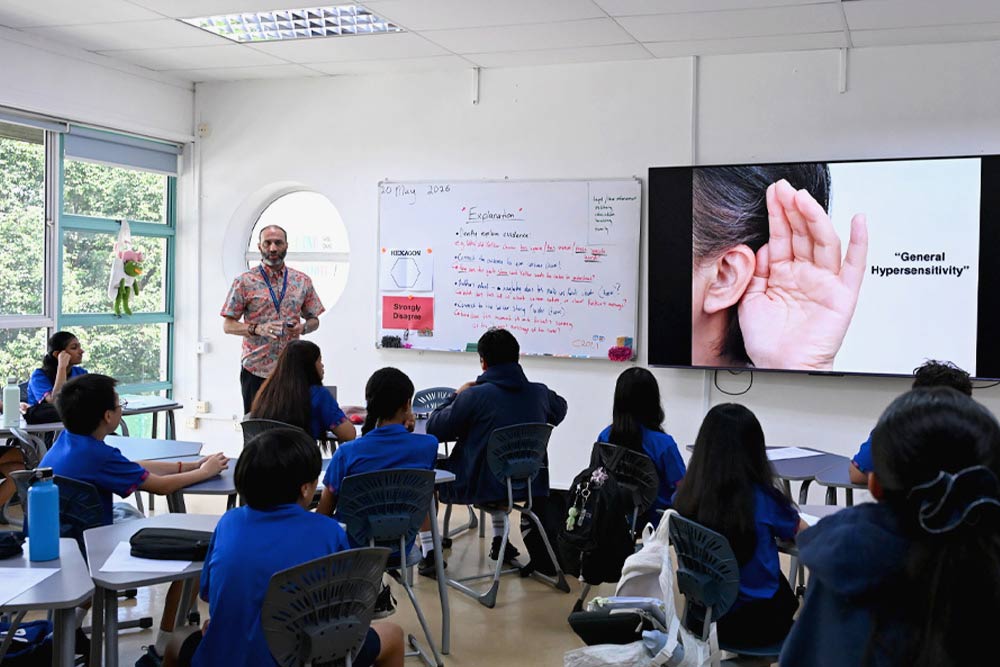
When parents evaluate international schools in Singapore, the conversation often centres on curriculum, facilities, and results. These things matter, but they’re rarely what a student remembers most. What stays with them, long after the exams are over, is how their teachers made them feel: whether they were seen, supported, and genuinely cared for.


How to Improve Problem-Solving Skills in Students