
Why Sportsmanship is the Ultimate Life Skill
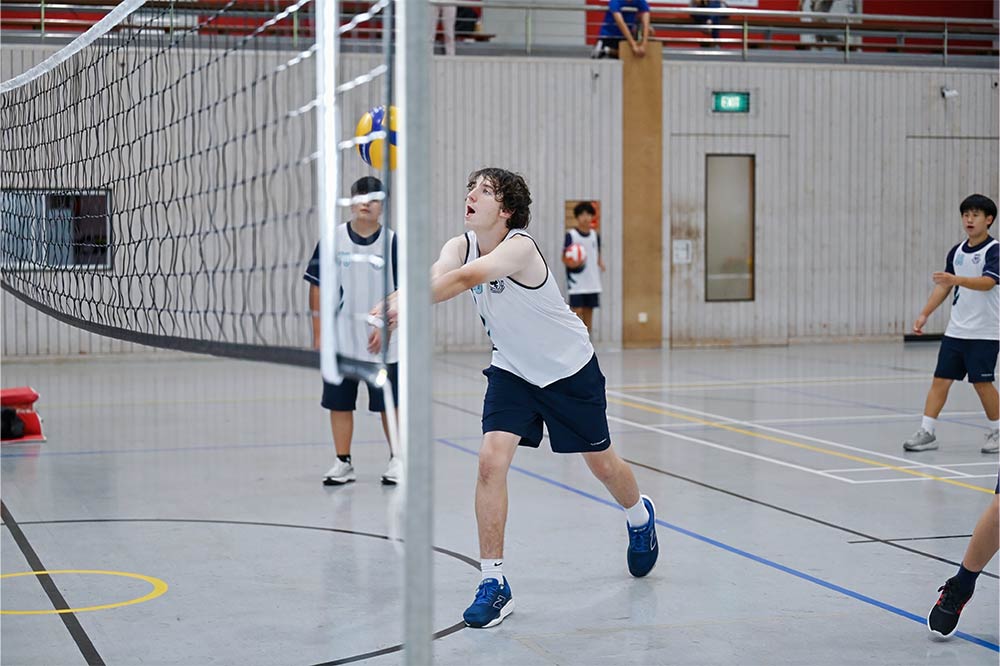
When parents watch their children compete, the instinct is to focus on the result. But the moments that shape a child's character rarely happen on the podium. They happen in the seconds after a loss, in the choice to congratulate someone who outperformed them, in the decision to keep going when the outcome is already decided. Sportsmanship is often spoken about as though it belongs on the field. The truth is that it’s one of the most transferable skills a child can develop, and the schools that understand this don't simply teach sport. They use it.
What are 5 Characteristics of Good Sportsmanship?
Good sportsmanship is easy to recognise when you see it and harder to define when someone asks you to. These five characteristics sit at its core, and together they describe a set of habits that go well beyond how a child plays a game:
Respect for Others: A good sport treats opponents, teammates, officials, and coaches with the same consideration they would want for themselves, win or lose. That consistency of conduct is what separates a good competitor from simply a successful one.
Grace in Victory and Defeat: Winning without arrogance and losing without bitterness are two sides of the same disposition. Both require a degree of self-awareness that doesn't come naturally to most children without practice, and both are worth building deliberately.
Fair Play: Playing by the rules, even when no one’s watching, is a character choice. A child who understands fair play has internalised something about integrity that extends well beyond the boundary of a field.
Accountability: When things go wrong, a good sport doesn't look for someone else to carry the weight. They reflect, adjust, and move forward. That response to setback is one of the most transferable habits sport can develop.
Encouragement: Lifting a teammate who is struggling, or acknowledging a competitor's good performance, requires a generosity that few environments cultivate as naturally as sport does.
Sportsmanship Outside of Sports: Why Does It Matter?
The characteristics that define a good sport don't stay on the field, but they do shape what a child carries into the classroom, into friendships, and eventually into the workplace. Here’s why sportsmanship matters well beyond the final whistle:
Emotional Intelligence: Managing frustration, staying composed under pressure, and reading the emotional temperature of a group are all things sport demands. A child who learns to regulate their responses in competition carries that ability into every other demanding situation they encounter.
Empathy: Understanding what a teammate or opponent is going through requires genuine perspective-taking. Children who practise this in sport develop a capacity for empathy that shapes how they engage with others long after the game is over.
Leadership and Responsibility: Sport creates natural moments to demonstrate leadership: the player who steadies a team when morale drops, who speaks honestly after a difficult loss, who takes ownership of their role in the outcome. These are rehearsals for the kind of leadership that matters in adult life.
Resilience: Losing is part of sport. So is injury, fatigue, and the days when nothing comes together. Children who learn to move through these experiences rather than around them build a relationship with difficulty that will serve them far beyond school.
Community Building: Sport teaches children that their individual performance is connected to the people around them. That sense of shared responsibility, the understanding that how you show up affects everyone else, is one of the more quietly important lessons a child can absorb.
Building Character On and Off the Field: The Chatsworth Way
At Chatsworth, sport is taken seriously not because winning matters most, but because competing well does. The values an international school in Singapore builds in students, accountability, composure, genuine care for the people around them, don't stay abstract. They show up in practice.
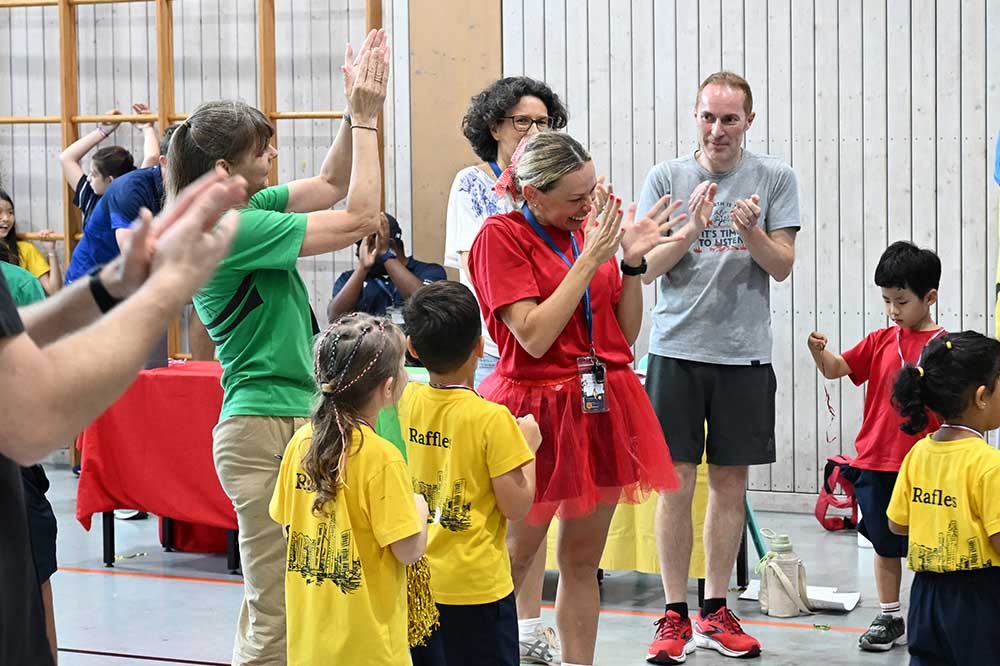
When Secondary students head into House Competition Day after a demanding exam period, they're not simply burning off energy. They're navigating pressure, managing group dynamics, and choosing how to conduct themselves when the stakes feel real. When Kindergarten children line up for their first relay race, parents and teachers cheering alongside them, something is already being shaped: an understanding that how you play is as important as whether you win.
Across every year group, from the youngest students at their first Sports Day to older students competing in mixed formats that test creativity and resilience as much as athleticism, the thread running through is consistent. Chatsworth uses sport to ask something of its students, and the students, at every age, tend to rise to it.
What Sport Teaches That a Classroom Cannot
What a child carries out of an IB school in Singapore isn't always visible in their results. It lives in how they handle a setback, how they show up for someone who needs them, and whether they've learned to keep going when the outcome isn't guaranteed. These qualities are built through years of experience in environments that take character as seriously as achievement. If that's the kind of education you're looking for, we'd love to show you what it looks like at Chatsworth. Book a school tour and come experience our community.