A Deep Dive into the Reggio Emilia Approach
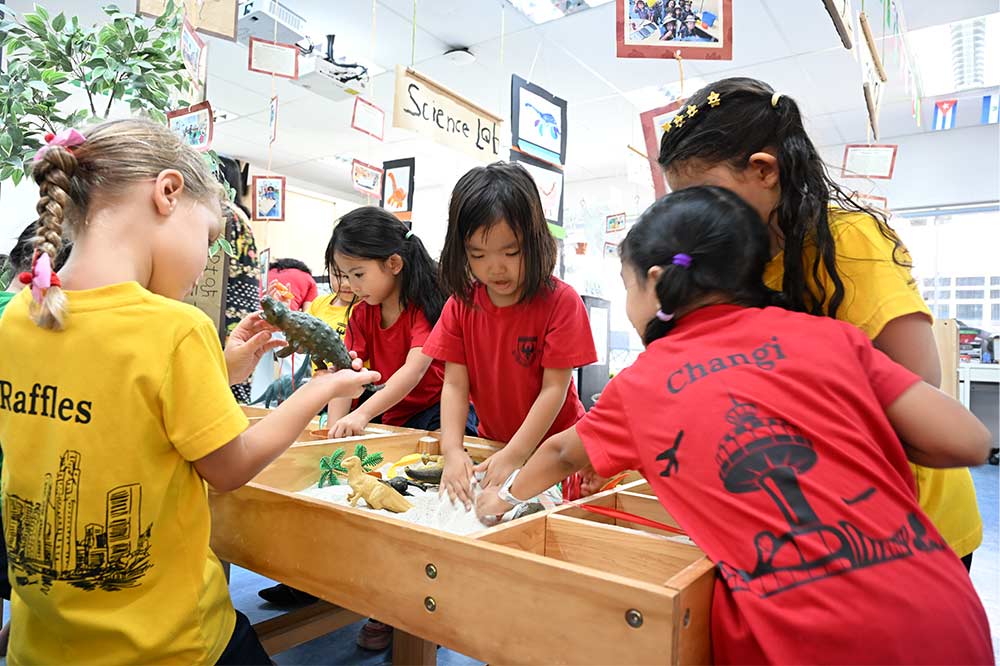
Every parent wants their child to love learning. What's less obvious is what kind of environment actually makes that possible. The Reggio Emilia approach, which originated in northern Italy after World War Two, is built on a simple but profound conviction: that children are naturally capable, curious, and full of things to say about the world around them. Understanding this approach gives parents a clearer lens for evaluating what early childhood education can look like at its most intentional, and what to look for when choosing a school that takes the early years seriously.
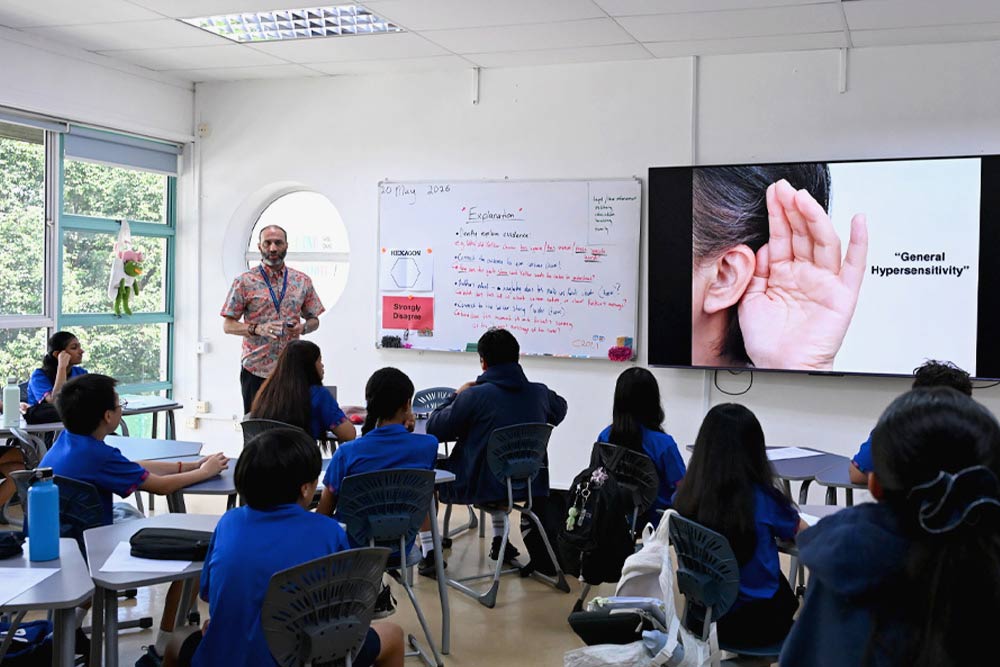
Unjudging Someone: How the Human Library Revived Storytelling for Diversity Week
When was the last time you listened to someone whose life journey was vastly different from your own, without feeling the urge to disagree, judge, or project your own story onto theirs?
Can you recall a moment when a grandparent sat you down and said, "Let me tell you a story"?

Why Sportsmanship is the Ultimate Life Skill
When parents watch their children compete, the instinct is to focus on the result. But the moments that shape a child's character rarely happen on the podium. They happen in the seconds after a loss, in the choice to congratulate someone who outperformed them, in the decision to keep going when the outcome is already decided. Sportsmanship is often spoken about as though it belongs on the field. The truth is that it’s one of the most transferable skills a child can develop, and the schools that understand this don't simply teach sport. They use it.
Empowering Students Through Hands-On STEAM Education
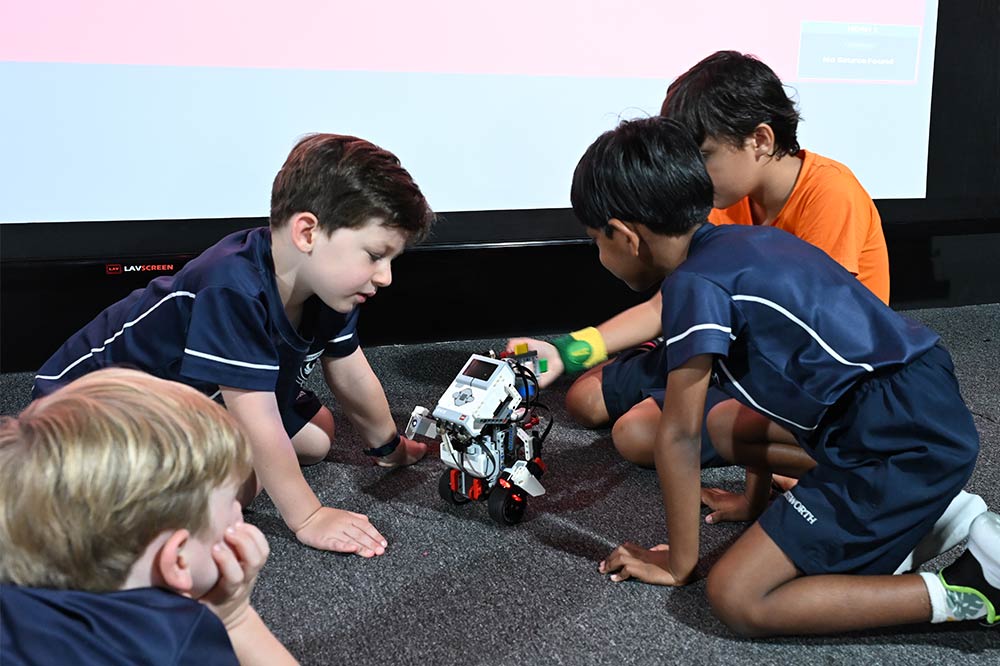
Most parents want their children to be good at science and maths. Fewer stop to ask what good actually means in a world where challenges don't arrive pre-sorted by subject.
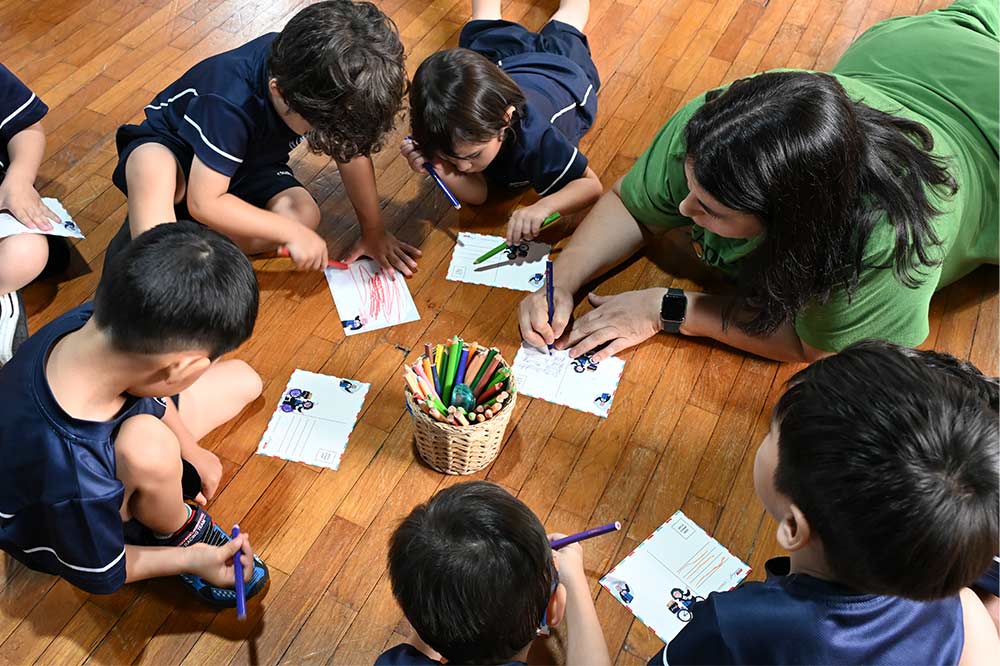
Beyond Behaviour: Building Connection Through Positive Discipline in Early Childhood
Positive Discipline invites educators and parents to look beyond children’s behaviour and consider what lies beneath it. Inspired by Joy Marchese’s workshop at the EARCOS Teachers’ Conference 2026 and grounded in the work of Jane Nelsen and Lynn Lott, this reflection explores how connection, respectful guidance, intentional language, and thoughtfully prepared environments can support young children in developing independence, self-regulation, and intrinsic motivation.
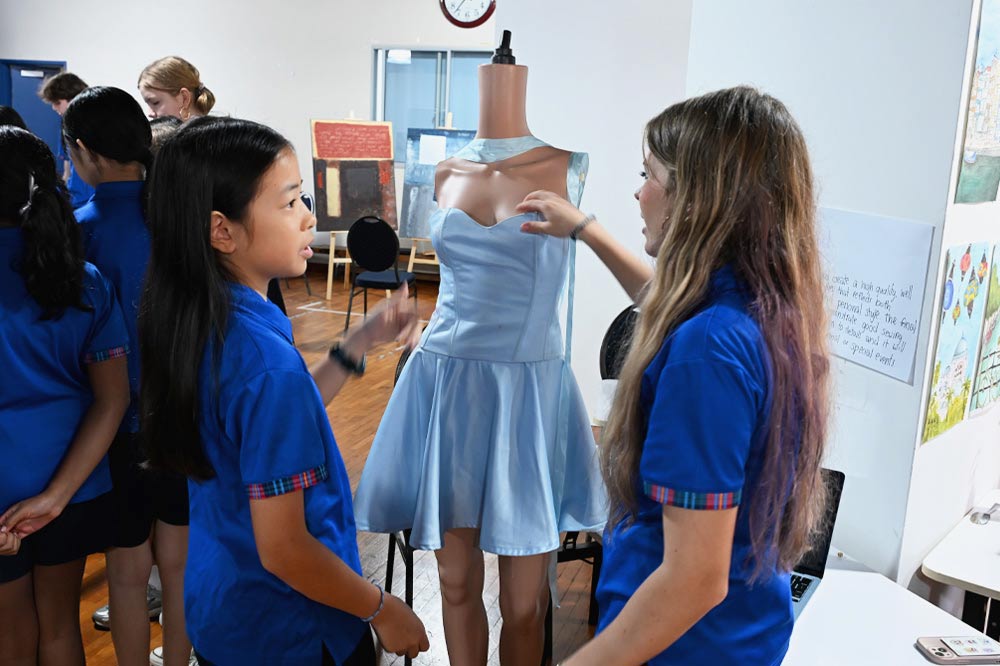
How Experiential Learning Turns Lessons into Life Skills
There's a version of school where students sit, absorb, and reproduce. And then there's a version where they question, test, fail, and figure it out. The gap between those two experiences isn't just pedagogical. It shows up years later, in how confidently your child navigates a problem they've never encountered before, in how they respond when there's no textbook answer. Experiential education is built on this premise: that children learn best not by being told, but by doing, reflecting, and participating.
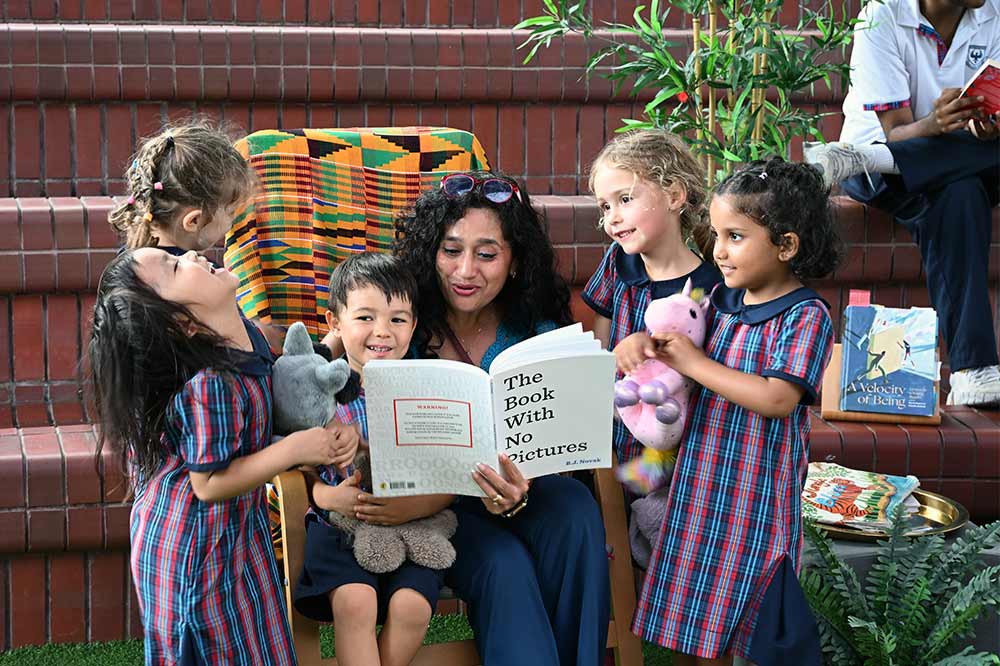
Why Teacher-Student Relationship Matters Most
When parents evaluate international schools in Singapore, the conversation often centres on curriculum, facilities, and results. These things matter, but they’re rarely what a student remembers most. What stays with them, long after the exams are over, is how their teachers made them feel: whether they were seen, supported, and genuinely cared for.

How ATL Skills Build the Foundation of the IB Journey
If you've been researching IB schools in Singapore, you've likely come across the term "ATL skills" and perhaps wondered what it actually means for your child's day-to-day learning. Approaches to Learning (ATL) skills are the five core skill sets that the IB believes every student needs to become a confident, capable, and independent learner. They’re not a separate subject your child sits for; they’re built into every lesson, every project, and every classroom conversation across the IB continuum.

The Impact of Learning Spaces on Students' Experiences
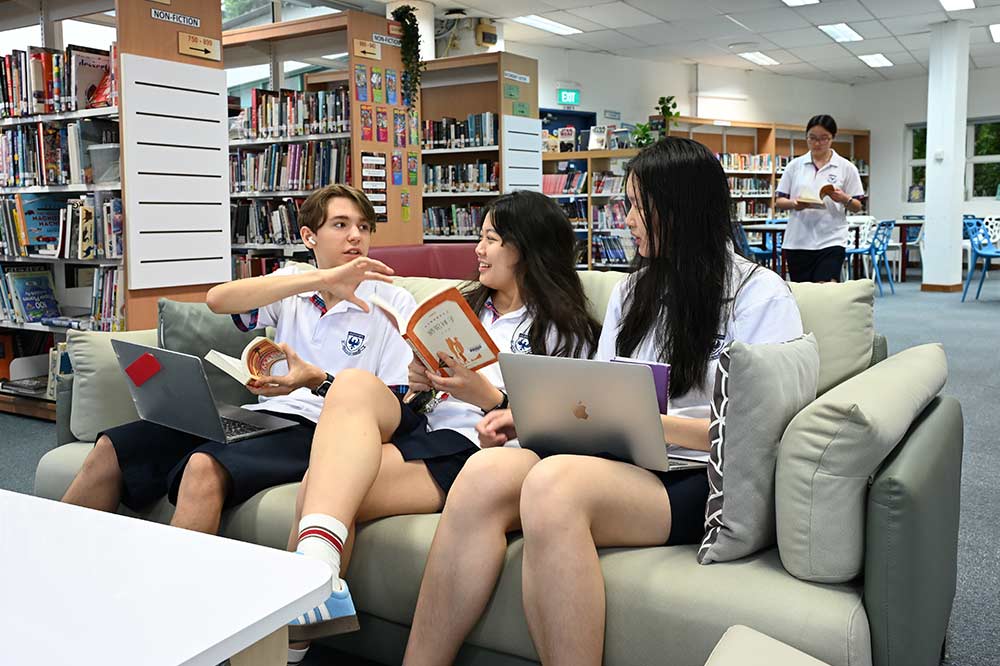
A child's learning extends far beyond a textbook. The physical environment in which they learn plays a profound role in their development, shaping how they interact with peers, engage with lessons, and feel about their school day. These spaces are intentionally designed to inspire curiosity, encourage collaboration, and nurture a student's sense of belonging.

How Inquiry-Based Learning Benefits Your Child
As expat parents, you're constantly seeking the best educational experiences for your child, eager to see them truly engaged and inspired. In Singapore's diverse educational landscape, fostering genuine curiosity and the ability to ask meaningful questions isn't just an advantage – it's paramount for long-term success.