Beyond Behaviour: Building Connection Through Positive Discipline in Early Childhood
Positive Discipline invites educators and parents to look beyond children’s behaviour and consider what lies beneath it. Inspired by Joy Marchese’s workshop at the EARCOS Teachers’ Conference 2026 and grounded in the work of Jane Nelsen and Lynn Lott, this reflection explores how connection, respectful guidance, intentional language, and thoughtfully prepared environments can support young children in developing independence, self-regulation, and intrinsic motivation. Rather than focusing on control, Positive Discipline encourages educators to build relationships rooted in respect, empathy, and understanding—reminding us that children do better when they feel better.
Understanding Behaviour: Beyond What We See
A central concept presented by Marchese is that behaviour is only the visible part of a deeper internal process. Using the metaphor of an iceberg, she explained that observable behaviours such as defiance, withdrawal, or emotional outbursts represent only a small portion of a child’s experience.
Beneath the surface lie unmet needs, emotional states, and developing skills. Marchese makes an important distinction between misbehaviour and innocent behaviour. Misbehaviour can be understood as a child’s mistaken attempt to gain a sense of belonging or significance, while innocent behaviour reflects developmental responses related to fatigue, overwhelm, or a lack of skills.
In both cases, behaviour is purposeful. It is often the child’s attempt to solve a problem that we cannot yet see. This understanding encourages educators and parents to shift their perspective. Instead of asking how to stop the behaviour, we begin to ask what the child is trying to communicate and what support they need.
Connection Before Correction: Rethinking Discipline
A key principle highlighted in the session comes from Annette Breaux: connection before correction. Children are far more receptive to guidance when they feel emotionally safe and understood. Without connection, correction often leads to resistance, whereas with connection, it leads to learning.
Marchese extended this idea by examining the common reliance on rewards and punishment. Strategies such as stickers, reward charts, or conditional incentives may produce immediate compliance, but they tend to function as short-term solutions. Over time, they can reinforce external motivation and limit the development of internal responsibility.
When children behave primarily to gain a reward or avoid a consequence, they begin to focus on outcomes rather than values. Instead of developing an understanding of responsibility and empathy, they may become dependent on adult approval.
Positive Discipline offers an alternative approach that prioritises long-term skill development. By focusing on connection, empathy, and guidance, adults create the conditions for children to develop responsibility, self-regulation, and problem-solving abilities.
The Role of Language in Guiding Behaviour
Language plays a powerful role in shaping children’s behaviour and responses. Joy Marchese emphasised that the words we use can either escalate power struggles or support cooperation.
Rather than focusing on what children should not do, adults are encouraged to provide clear and direct guidance. Language that is simple, concrete, and respectful helps children understand expectations and respond more effectively. Finding ways to say yes within boundaries supports children in feeling heard, while still maintaining limits.
The use of when–then statements, instead of conditional if–then language, provides structure without creating opposition. Keeping language concise and avoiding unnecessary questioning allows children to focus on problem-solving rather than feeling overwhelmed.
At its core, this approach reflects a shift in mindset. Language is no longer used to control behaviour, but to teach skills such as waiting, cooperating, and managing emotions.
Belonging Through Inclusion
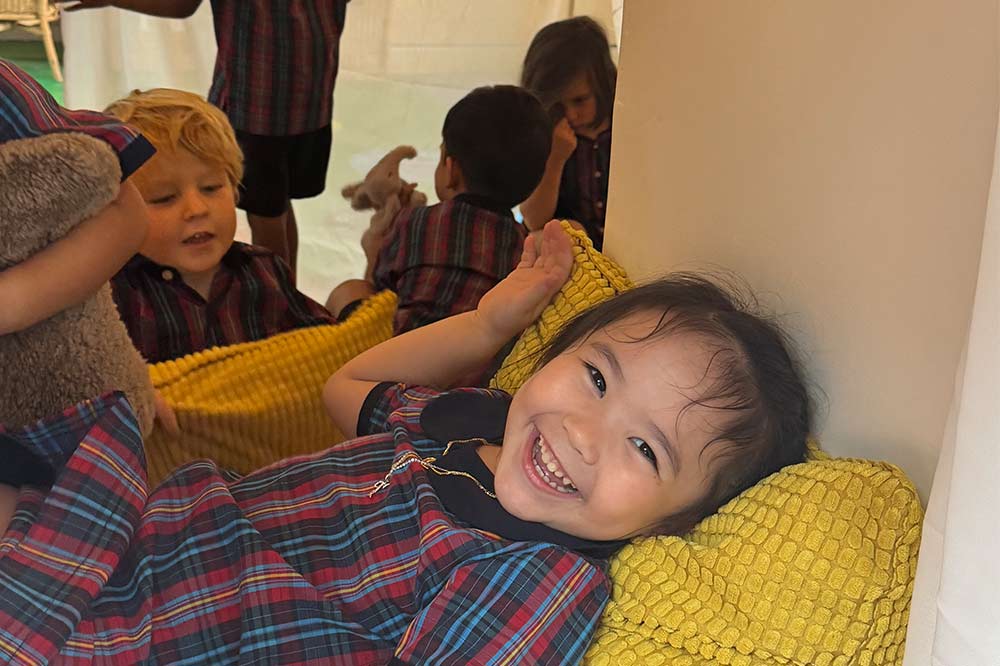
Positive Discipline emphasises that children have a deep need for belonging and significance. Joy Marchese illustrated how everyday interactions can either support or hinder this need.
In classroom moments where efficiency is prioritised, children may be unintentionally excluded from meaningful participation. When this happens, frustration or disengagement may follow. In contrast, when children are included, even in small ways, they begin to develop confidence, responsibility, and a sense of competence.
This shift from doing things for children to doing things with them is essential in building a respectful and collaborative learning environment. Inclusion supports not only skill development but also a child’s sense of identity within the community.
Designing Environments That Support Success
Rather than relying on constant adult direction, Positive Discipline emphasises the importance of intentionally designed environments. Routines, agreements, and responsibilities work together to create a sense of structure and belonging.
Consistent routines provide predictability, helping children feel safe and secure. Agreements developed with children foster ownership and mutual respect. Responsibilities offer meaningful opportunities for contribution, allowing children to feel capable and valued.
Marchese’s insight that the routine is the boss captures the essence of this approach. When routines are clear and consistent, they guide behaviour naturally and reduce the need for adult control.
Making Learning Visible
In early childhood, learning is deeply connected to what children can see and experience. Visual supports make expectations clear and accessible, reducing reliance on verbal reminders.
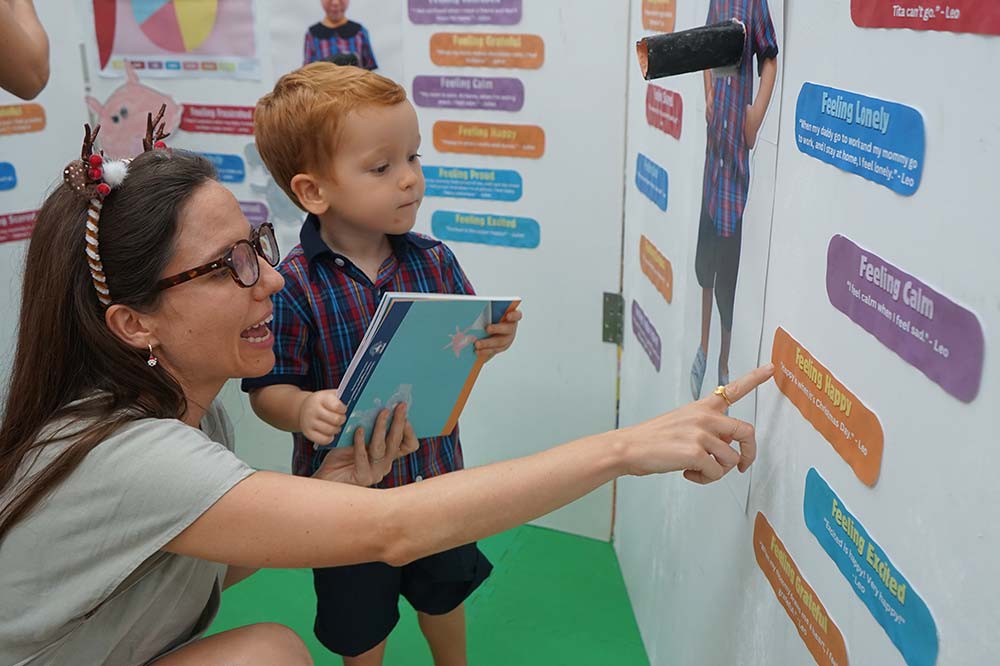
Marchese emphasised the importance of using real photographs of children engaged in routines rather than generic images. When children see themselves in these representations, they develop a stronger sense of ownership and understanding.
Visual schedules, sequencing tools, and interactive displays support independence and self-regulation. In this way, the environment itself becomes a guide for behaviour.
Teaching Independence Through Scaffolding
Independence does not develop by chance. It is intentionally taught through a gradual and supportive process. Adults model tasks, invite participation, provide guidance, and eventually step back as children gain confidence.
This process allows children to move from observation to independent action while feeling supported. It strengthens confidence, persistence, and responsibility.
When adults complete tasks for children in the name of efficiency, important learning opportunities may be lost. When we take the time to work alongside children, we support their growth and capability.
Social-Emotional Learning as the Foundation
A consistent message throughout the session was that social-emotional development is the foundation for academic success. Children who feel safe, connected, and capable are more able to engage in meaningful learning.
Skills such as self-awareness, emotional regulation, responsibility, resilience, and social understanding are essential and require intentional teaching and practice.
Rather than viewing social-emotional learning as separate from academics, it should be understood as the basis upon which all learning is built.
Encouragement and Intrinsic Motivation
Positive Discipline distinguishes between praise and encouragement. Praise often focusses on adult approval, while encouragement emphasises effort, reflection, and growth.
When children are encouraged, they begin to develop intrinsic motivation. They learn to value their own progress rather than relying on external validation. This supports persistence, confidence, and a growth mindset.
Encouragement communicates that effort matters and that the child is capable, fostering a deeper sense of competence.
Supporting Emotional Regulation
Emotional regulation is a skill that develops over time through supportive relationships. Children rely on adults to help them understand and manage their emotions.
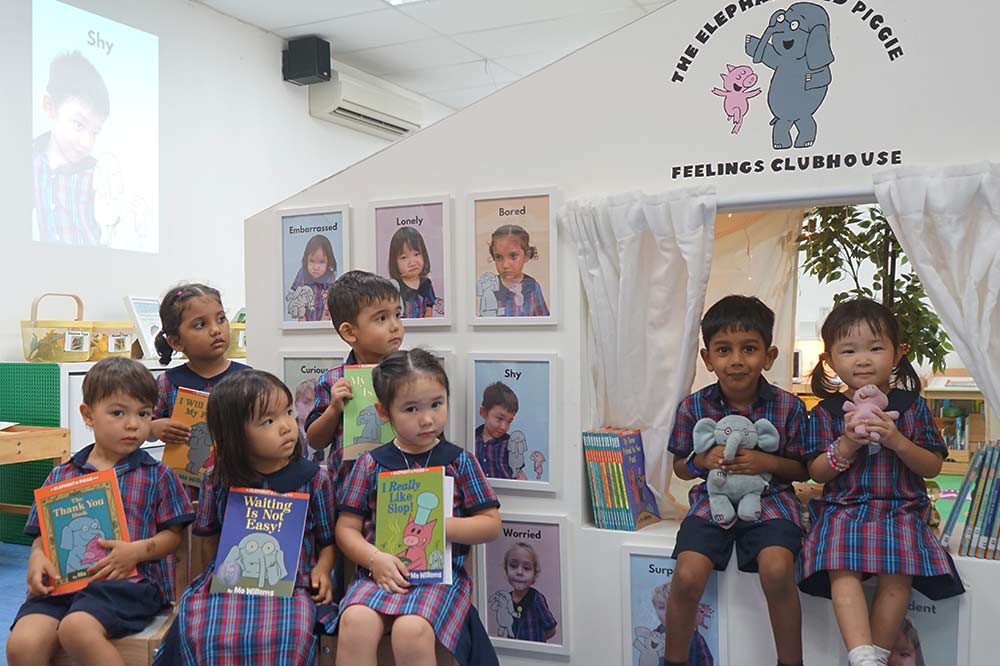
Marchese highlights the importance of emotional literacy, which involves recognising, naming, and understanding feelings. When children are able to identify their emotions, they are better equipped to regulate them.
Creating calm spaces, validating feelings, teaching simple strategies, and embedding regular emotional check-ins into daily routines all contribute to the development of self-regulation and well-being.
The Role of the Adult
The most influential factor in a child’s development is the adult. Children learn through observation, absorbing how adults communicate, respond to challenges, and regulate emotions.
Through co-regulation, adults support children in developing self-regulation over time. When adults respond with calmness, consistency, and respect, children begin to internalise these behaviours.
This reinforces the idea that teaching behaviour is not about control, but about modelling. Every interaction becomes an opportunity to demonstrate the skills we hope children will develop.
Conclusion
Positive Discipline offers a meaningful shift in how we approach behaviour in early childhood. By prioritising connection, understanding, and skill development, educators and parents can create environments where children feel capable, valued, and motivated to learn.
Rather than managing behaviour, we are guiding children toward becoming confident, responsible, and empathetic individuals. Every interaction becomes an opportunity to teach, connect, and build the foundation for lifelong learning.
______________________________________
References
Breaux, A. Connection before correction.
Nelsen, J. Positive Discipline.
Nelsen, J., & Lott, L. Positive Discipline in the Classroom.
Nelsen, J., Erwin, C., & Duffy, R. Positive Discipline for Preschoolers.
Marchese, J. Positive Discipline for Early Childhood Educators, EARCOS Teachers’ Conference 2026.
Positive Discipline invites educators and parents to look beyond children’s behaviour and consider what lies beneath it. Inspired by Joy Marchese’s workshop at the EARCOS Teachers’ Conference 2026 and grounded in the work of Jane Nelsen and Lynn Lott, this reflection explores how connection, respectful guidance, intentional language, and thoughtfully prepared environments can support young children in developing independence, self-regulation, and intrinsic motivation. Rather than focusing on control, Positive Discipline encourages educators to build relationships rooted in respect, empathy, and understanding—reminding us that children do better when they feel better.
Understanding Behaviour: Beyond What We See
A central concept presented by Marchese is that behaviour is only the visible part of a deeper internal process. Using the metaphor of an iceberg, she explained that observable behaviours such as defiance, withdrawal, or emotional outbursts represent only a small portion of a child’s experience.
Beneath the surface lie unmet needs, emotional states, and developing skills. Marchese makes an important distinction between misbehaviour and innocent behaviour. Misbehaviour can be understood as a child’s mistaken attempt to gain a sense of belonging or significance, while innocent behaviour reflects developmental responses related to fatigue, overwhelm, or a lack of skills.
In both cases, behaviour is purposeful. It is often the child’s attempt to solve a problem that we cannot yet see. This understanding encourages educators and parents to shift their perspective. Instead of asking how to stop the behaviour, we begin to ask what the child is trying to communicate and what support they need.
Connection Before Correction: Rethinking Discipline
A key principle highlighted in the session comes from Annette Breaux: connection before correction. Children are far more receptive to guidance when they feel emotionally safe and understood. Without connection, correction often leads to resistance, whereas with connection, it leads to learning.
Marchese extended this idea by examining the common reliance on rewards and punishment. Strategies such as stickers, reward charts, or conditional incentives may produce immediate compliance, but they tend to function as short-term solutions. Over time, they can reinforce external motivation and limit the development of internal responsibility.
When children behave primarily to gain a reward or avoid a consequence, they begin to focus on outcomes rather than values. Instead of developing an understanding of responsibility and empathy, they may become dependent on adult approval.
Positive Discipline offers an alternative approach that prioritises long-term skill development. By focusing on connection, empathy, and guidance, adults create the conditions for children to develop responsibility, self-regulation, and problem-solving abilities.
The Role of Language in Guiding Behaviour
Language plays a powerful role in shaping children’s behaviour and responses. Joy Marchese emphasised that the words we use can either escalate power struggles or support cooperation.
Rather than focusing on what children should not do, adults are encouraged to provide clear and direct guidance. Language that is simple, concrete, and respectful helps children understand expectations and respond more effectively. Finding ways to say yes within boundaries supports children in feeling heard, while still maintaining limits.
The use of when–then statements, instead of conditional if–then language, provides structure without creating opposition. Keeping language concise and avoiding unnecessary questioning allows children to focus on problem-solving rather than feeling overwhelmed.
At its core, this approach reflects a shift in mindset. Language is no longer used to control behaviour, but to teach skills such as waiting, cooperating, and managing emotions.
Belonging Through Inclusion
Positive Discipline emphasises that children have a deep need for belonging and significance. Joy Marchese illustrated how everyday interactions can either support or hinder this need.
In classroom moments where efficiency is prioritised, children may be unintentionally excluded from meaningful participation. When this happens, frustration or disengagement may follow. In contrast, when children are included, even in small ways, they begin to develop confidence, responsibility, and a sense of competence.
This shift from doing things for children to doing things with them is essential in building a respectful and collaborative learning environment. Inclusion supports not only skill development but also a child’s sense of identity within the community.
Designing Environments That Support Success
Rather than relying on constant adult direction, Positive Discipline emphasises the importance of intentionally designed environments. Routines, agreements, and responsibilities work together to create a sense of structure and belonging.
Consistent routines provide predictability, helping children feel safe and secure. Agreements developed with children foster ownership and mutual respect. Responsibilities offer meaningful opportunities for contribution, allowing children to feel capable and valued.
Marchese’s insight that the routine is the boss captures the essence of this approach. When routines are clear and consistent, they guide behaviour naturally and reduce the need for adult control.
Making Learning Visible
In early childhood, learning is deeply connected to what children can see and experience. Visual supports make expectations clear and accessible, reducing reliance on verbal reminders.
Marchese emphasised the importance of using real photographs of children engaged in routines rather than generic images. When children see themselves in these representations, they develop a stronger sense of ownership and understanding.
Visual schedules, sequencing tools, and interactive displays support independence and self-regulation. In this way, the environment itself becomes a guide for behaviour.
Teaching Independence Through Scaffolding
Independence does not develop by chance. It is intentionally taught through a gradual and supportive process. Adults model tasks, invite participation, provide guidance, and eventually step back as children gain confidence.
This process allows children to move from observation to independent action while feeling supported. It strengthens confidence, persistence, and responsibility.
When adults complete tasks for children in the name of efficiency, important learning opportunities may be lost. When we take the time to work alongside children, we support their growth and capability.
Social-Emotional Learning as the Foundation
A consistent message throughout the session was that social-emotional development is the foundation for academic success. Children who feel safe, connected, and capable are more able to engage in meaningful learning.
Skills such as self-awareness, emotional regulation, responsibility, resilience, and social understanding are essential and require intentional teaching and practice.
Rather than viewing social-emotional learning as separate from academics, it should be understood as the basis upon which all learning is built.
Encouragement and Intrinsic Motivation
Positive Discipline distinguishes between praise and encouragement. Praise often focusses on adult approval, while encouragement emphasises effort, reflection, and growth.
When children are encouraged, they begin to develop intrinsic motivation. They learn to value their own progress rather than relying on external validation. This supports persistence, confidence, and a growth mindset.
Encouragement communicates that effort matters and that the child is capable, fostering a deeper sense of competence.
Supporting Emotional Regulation
Emotional regulation is a skill that develops over time through supportive relationships. Children rely on adults to help them understand and manage their emotions.
Marchese highlights the importance of emotional literacy, which involves recognising, naming, and understanding feelings. When children are able to identify their emotions, they are better equipped to regulate them.
Creating calm spaces, validating feelings, teaching simple strategies, and embedding regular emotional check-ins into daily routines all contribute to the development of self-regulation and well-being.
The Role of the Adult
The most influential factor in a child’s development is the adult. Children learn through observation, absorbing how adults communicate, respond to challenges, and regulate emotions.
Through co-regulation, adults support children in developing self-regulation over time. When adults respond with calmness, consistency, and respect, children begin to internalise these behaviours.
This reinforces the idea that teaching behaviour is not about control, but about modelling. Every interaction becomes an opportunity to demonstrate the skills we hope children will develop.
Conclusion
Positive Discipline offers a meaningful shift in how we approach behaviour in early childhood. By prioritising connection, understanding, and skill development, educators and parents can create environments where children feel capable, valued, and motivated to learn.
Rather than managing behaviour, we are guiding children toward becoming confident, responsible, and empathetic individuals. Every interaction becomes an opportunity to teach, connect, and build the foundation for lifelong learning.
______________________________________
References
Breaux, A. Connection before correction.
Nelsen, J. Positive Discipline.
Nelsen, J., & Lott, L. Positive Discipline in the Classroom.
Nelsen, J., Erwin, C., & Duffy, R. Positive Discipline for Preschoolers.
Marchese, J. Positive Discipline for Early Childhood Educators, EARCOS Teachers’ Conference 2026.