
Beyond Grades: Why Holistic Development is the Foundation of Learning
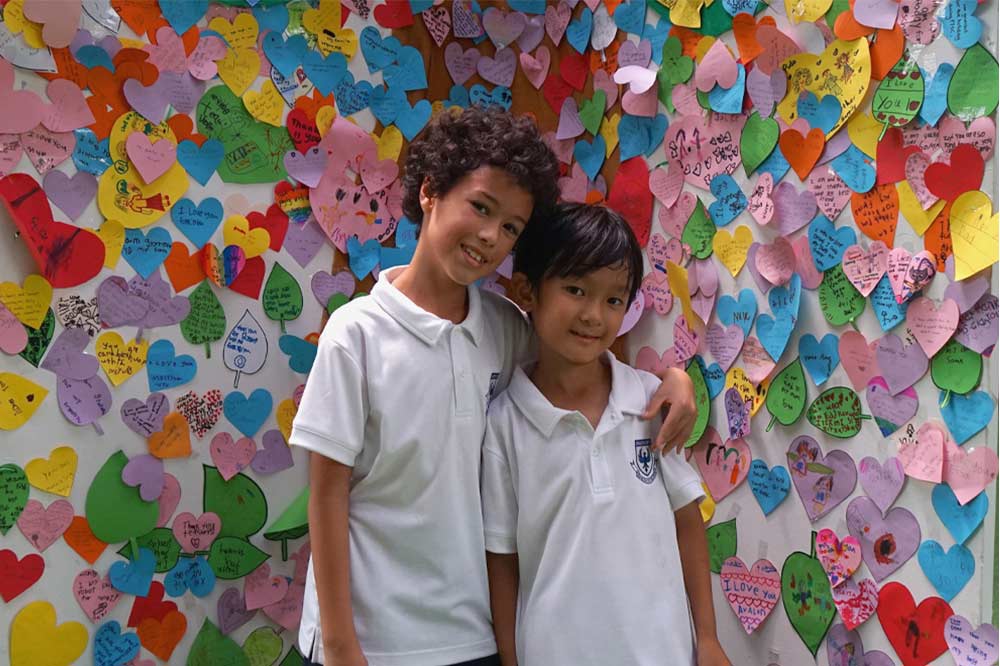
Stand near a school gate at dismissal and you can see what a report card can’t. The child talking animatedly happily about something that started in class. The one finishing a conversation with their teacher. The one sprinting across the field because rehearsal starts in five minutes. Each is being shaped by their school in ways no exam will measure, and those ways tend to matter most in the years that follow. Holistic development is the deliberate work of taking that shaping seriously, rather than leaving it to the margins of the academic timetable.
What is Holistic Development and Why is It Important for Students?
The holistic development meaning worth caring about is specific: it’s the cultivation of every part of a child, not just the academic part. Done well, it compounds across years.
This matters because the qualities it builds are the ones that show up later as character rather than credentials, and they tend to be what parents most hope their child will leave school with. In practice, that means:
Healthy Cognitive Development: Their thinking becomes more flexible and more capable of sitting with a difficult problem rather than reaching for a quick answer.
Social Skills and Relationships: Listening well, disagreeing without rancour, and contributing to a group without needing to dominate it become habits rather than effort.
Emotional Intelligence: Children build the vocabulary to name what they feel, the awareness to notice it in others, and the steadiness to act on it sensibly.
Confidence and Self-Esteem: A quiet trust in their own judgement develops, grounded in what they can do rather than in adult praise.
Resilience and the Ability to Overcome Adversity: Setbacks come to be read as information rather than verdicts, and the way back from a hard moment proves shorter than it first appears.
What Are the 5 Areas of Holistic Development?
Educators commonly describe holistic learning across five interlocking areas. Each matters in its own right, and each is weakened when the others are neglected. A serious international school in Singapore gives all five sustained attention rather than emphasising one and gesturing at the rest.
Physical Development
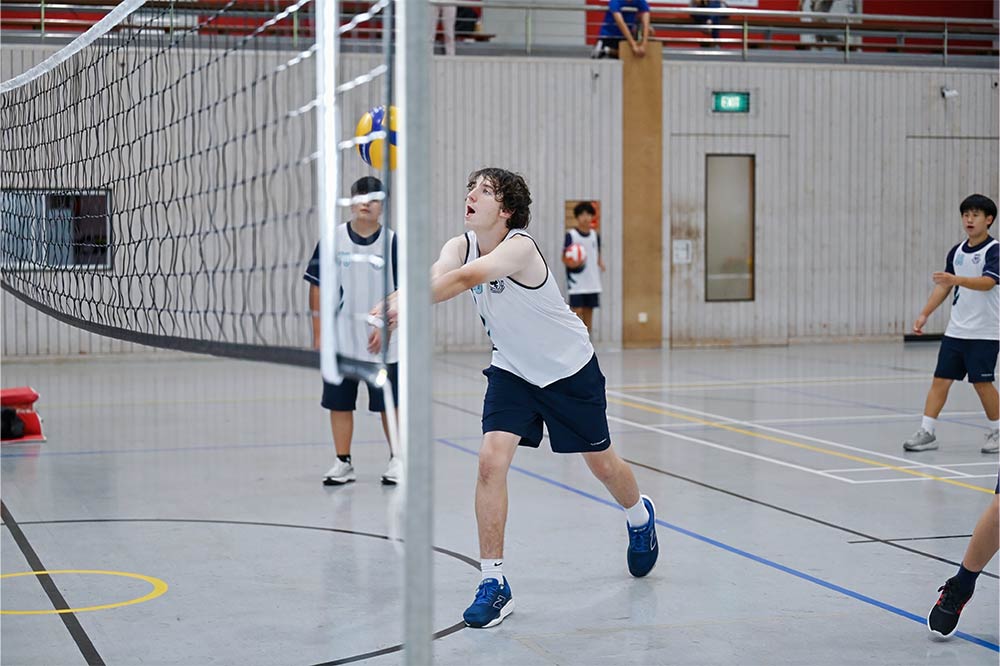
This covers everything from gross motor skills in the early years to coordination, fitness, and bodily confidence in adolescence. It’s not only about sport, though sport plays a part. It’s about your child learning that their body is something to be looked after, and that physical effort is one of the surest ways to build mental steadiness alongside it.
Social Development
Social development is the slow accumulation of skills that let your child move through the world with other people in it. Learning when to lead and when to follow. Learning how friendships repair after a falling-out. Learning that the way they treat the quietest person in the room often says more about them than the way they treat the loudest.
Emotional Development
Emotional development is the work of helping your child understand what they feel and what to do with it. The child who can name frustration, sit with disappointment, and recover from embarrassment is better equipped for the years ahead than the one who has only ever been praised. Schools that take this seriously make space for emotions to be discussed openly.
Intellectual Development
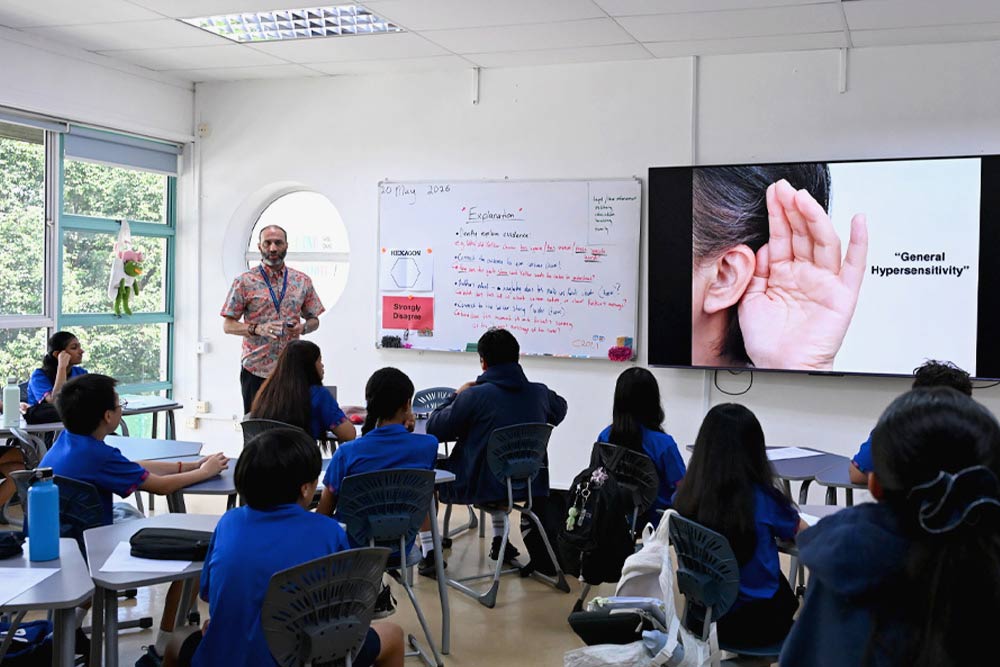
Intellectual development is more than academic attainment. It's the cultivation of curiosity, the appetite for hard problems, and the habits of mind that let a student keep learning long after the last exam is sat. A rigorous IB curriculum in Singapore should produce strong grades as a matter of course. The deeper aim is for your child to leave school with a mind that's genuinely their own.
Ethical Development
Ethical development is the part of holistic education that schools most often skip and parents most often value. It’s the work of helping your child form a sense of right and wrong that’s genuinely theirs, through reflection and conversation rather than rule. The young person who has thought carefully about what they believe becomes the adult who can hold their position when it matters.
How Chatsworth Puts Holistic Development into Practice
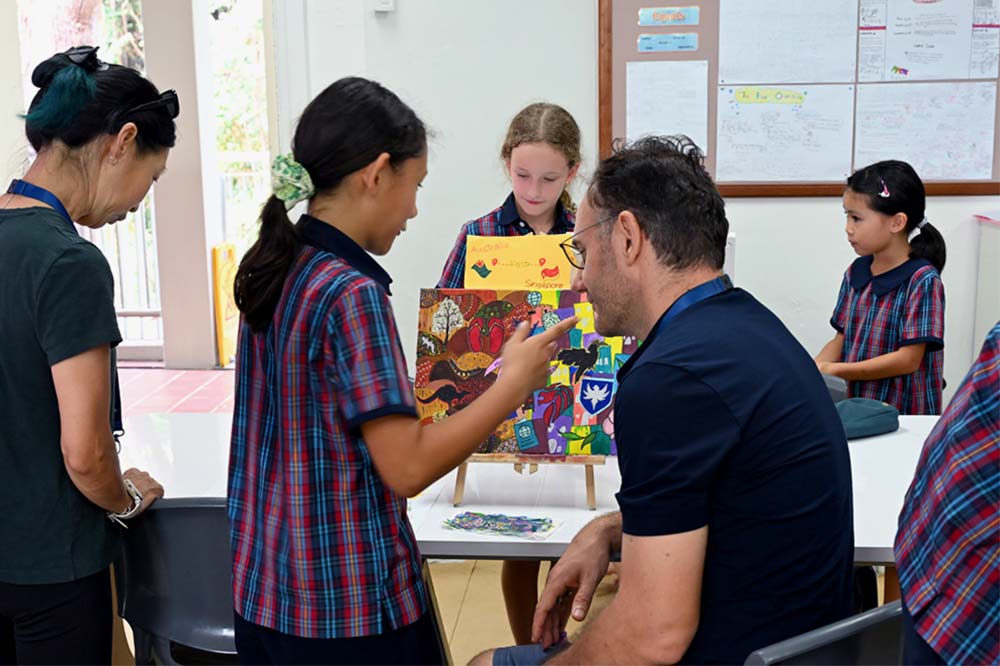
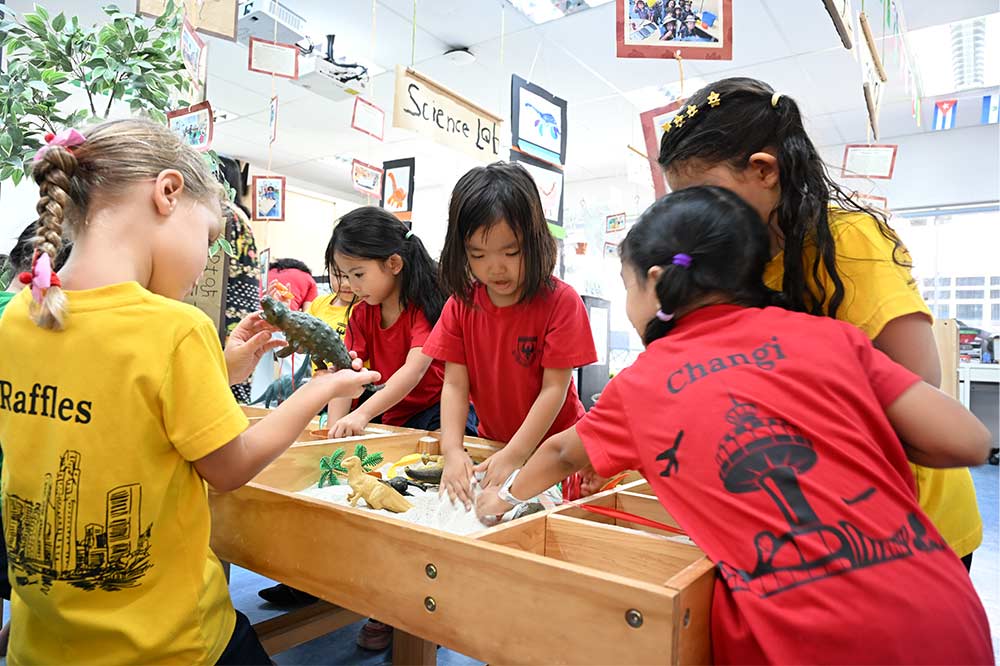
At Chatsworth International School, the holistic work our students do tends to touch most of these areas at once rather than addressing each in turn. Year 6 students recently interviewed their parents and grandparents about how their families came to Singapore and turned what they heard into works of art. They learned research and interview techniques alongside something harder: how to sit with the weight of their own family's history. The same instinct shows up earlier in different forms. In Year 3, students explored storytelling through puppet shows and mime in their "How we express ourselves" unit of inquiry, building imagination, performance, and the confidence to share something they had made.
Work like this depends on something easy to claim and hard to build: teachers who have the time, the relationships, and the conviction to make it real. It’s what we have spent thirty years building, and it’s why we have been recognised three times as a School Where Everybody Knows Your Name.
What an Education Actually Leaves Behind
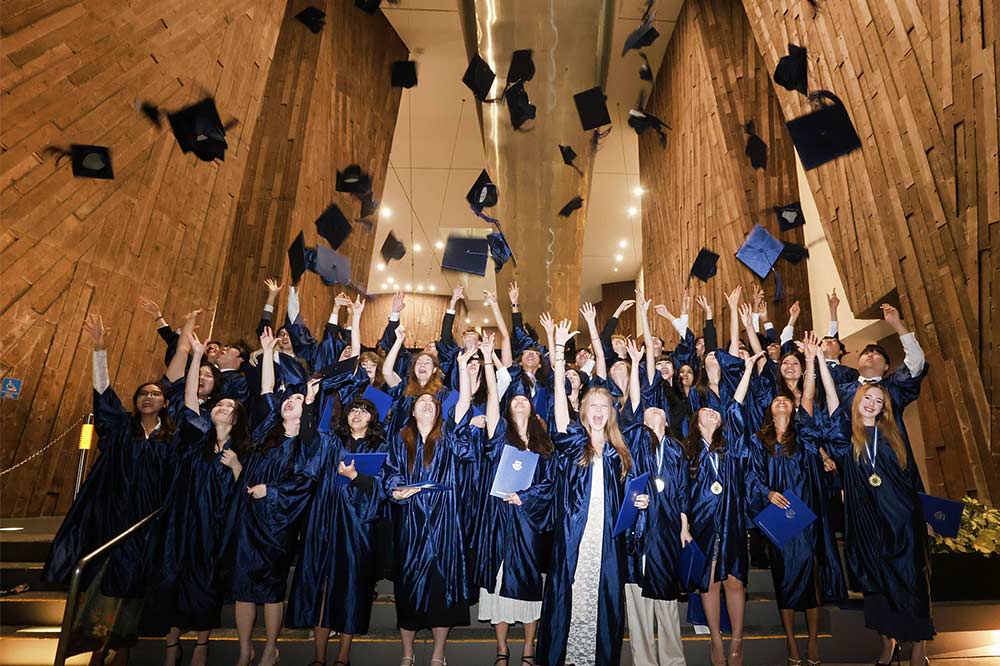
A child doesn't graduate as a transcript. They graduate as a person who has been shaped, slowly, into someone inquiring and caring, balanced and principled, and reflective enough to know themselves. These are the qualities the IB Learner Profile sets out as the real purpose of education, and they’re what a meaningful school career actually leaves behind. The schools that treat that fact seriously raise children who walk into the world with more than qualifications. They raise children who walk into the world ready for it, in ways the report card never quite manages to capture.