A Guide to Choosing the Best International Schools in Singapore
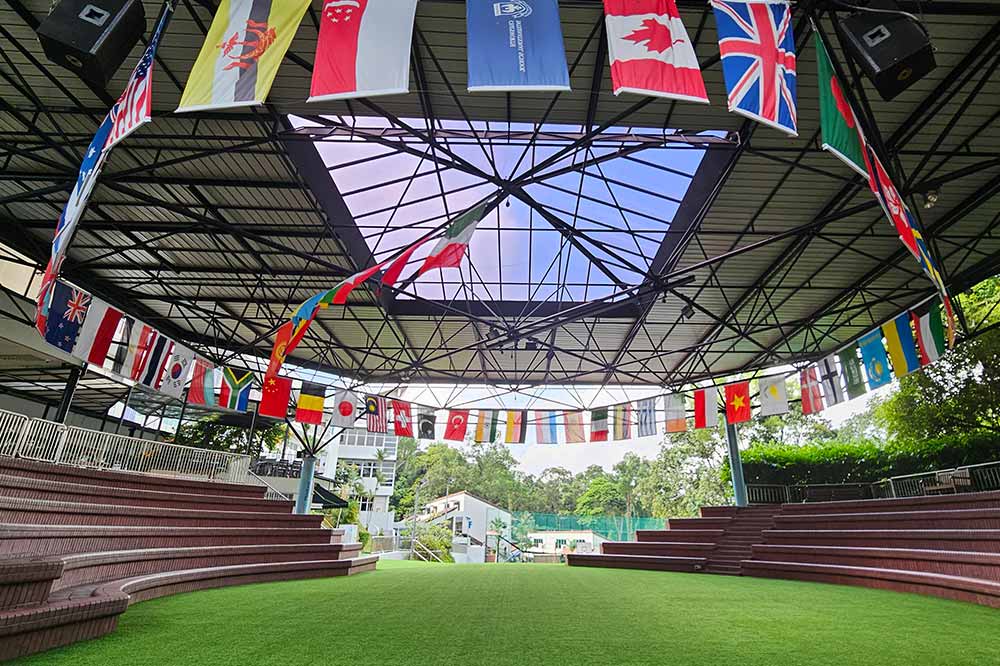
Selecting the right international school in Singapore is a crucial decision for expat families. It's not only about finding a place for their children’s academic learning but an environment that nurtures their growth, embraces diversity, and aligns with future aspirations.
While this vibrant city-state is known for its high standards of living and multicultural society, it offers an educational environment that is as dynamic and varied as its population. For expat families making Singapore their home, understanding the landscape of international schools is the first step.
But what’s next? This blog aims to guide you through the intricate landscape of international schools in the Lion City, ensuring your choice meets academic needs and fosters a sense of community and belonging for your child.
Understanding Singapore’s International School Landscape
Singapore's education landscape is as diverse as its society, with various international schools, like Chatsworth International School, catering to different nationalities, curriculums, and pedagogical philosophies.
While international schools are often the preferred choice for expat families, the selection can also range from schools emphasising a particular country's curriculum to those offering a more global approach, such as International Baccalaureate (IB) schools, which are highly sought after for their comprehensive and flexible curriculum.
With such diversity, Singapore stands out as a hub for international education, attracting students from across the globe. This melting pot of cultures enriches the learning experience and prepares students for a globalised future.
That said, navigating through Singapore's international schools requires a holistic understanding of the varied curriculums, teaching methodologies, and extracurricular offerings. Each school has its unique ethos, reflected in its approach to education and community engagement.
Whether you're looking for an institution with a strong arts programme, a rigorous academic curriculum, or one that prioritises holistic development, Singapore's international schools offer something for every learner. Next, let’s understand how the admissions process works for international students.
How Many International Schools are There in Singapore
Singapore boasts over 50 international schools, offering a wide range of educational choices for expat families. These international schools are located in various regions across the island and many of these schools are clustered particularly in central areas like Orchard, Dover, and Bukit Timah. However, you'll also find excellent options in other neighbourhoods, such as Kovan, Woodlands and Jurong. This distribution ensures that families can find a school that's conveniently located and suits their needs.
Is There an Official Ranking of the Best International Schools in Singapore and What are the Evaluation Criteria?
While a quick search on Google may yield various lists of the "top" institutions, it’s important to note that no official ranking of international schools exists in Singapore. Because most international schools operate independently and are not governed by the Ministry of Education (MOE), there’s no single, state-sanctioned leaderboard. Instead, schools are typically evaluated by parents and educational experts based on specific pillars of excellence:
Academic Performance: Often measured by standardised examination results, internal assessment benchmarks, and successful university placement records.
Inclusivity and Diversity: The strength of the school’s community, its support for various learning needs, and the breadth of its international student body.
Campus Facilities: The quality of specialised spaces, such as state-of-the-art science labs, performing arts centres, and sporting arenas.
Curricular Specialisation: Whether a school focuses on a specific language immersion, the arts, or a rigorous holistic framework.
Ultimately, the "best" school is a subjective choice that depends entirely on a child’s specific needs. Parents are encouraged to look beyond generic lists and select an institution based on their child’s unique learning style, the family’s core values, and the specific environment where the student will feel most empowered to succeed.
List of Key Criteria for Choosing the International School That Best Fits Your Child
Aside from the cultural and legal aspects, selecting the right international school for your child is crucial. This typically involves a holistic assessment of what the school offers and how it aligns with your child's needs and family's values. Here are some essential factors to consider:
1. Language Options
If you value a multilingual education, consider the languages taught and supported at the international school. This is important because it may affect your child’s learning process and their development skills.
2. Curriculum and Subjects Offered
Another critical factor to consider is the choice of curriculum. Different curriculums offer varying approaches to learning, subject focusses, and assessment methods.
List of Curricula International Schools Use
Choosing the right international school in Singapore often begins with navigating a diverse range of educational frameworks, each designed to meet different academic goals. Understanding these pathways is essential as you determine the best fit for your child’s unique future:
International Baccalaureate: Renowned for its holistic and inquiry-based approach, the IB encourages students to think critically and take ownership of their learning. It spans from the IB Primary Years Programme (PYP) through to the IB Diploma Programme (DP), which is highly regarded by universities worldwide.
British Curriculum: This framework offers a structured progression with a strong focus on core subject mastery. It typically leads to the International General Certificate of Secondary Education (IGCSE) exams at age 16, followed by A-Levels, providing a clear and rigorous pathway for academic benchmarking.
American Curriculum: This system emphasises a broad range of subjects combined with a heavy focus on extracurricular involvement and continuous assessment. Students typically work toward a High School Diploma, often incorporating Advanced Placement (AP) courses for university-level credit.
Other National Frameworks: Many schools also incorporate specific national curricula, such as the Australian, French, or German systems, often including their respective leaving certifications to ensure students can transition seamlessly back to their home countries.
Is There a Best Curriculum to Get?
There's no single “best” curriculum, as the ideal choice depends on a student's individual needs, learning style, future aspirations, and family priorities. Different curricula cater to different strengths and goals. It's essential to research each curriculum thoroughly and consider how it aligns with your child's individual learning style and your family's educational values.
3. Class Size and School Size
Smaller class sizes mean more individual attention and a personalised learning experience for each student. It's essential to consider the average class size including the overall teacher-to-student ratio of the school and how it aligns with your child's needs. Another factor to consider is the school size. While larger schools can offer better facilities and more programmes, it can be easy for students to be lost in a vast system, particularly those who are not well assimilated. Smaller schools provide students more opportunities to be represented in sports teams and performances and facilitate greater connection between the teaching staff and members of the community.
4. Cost
While finding a school that suits your child’s needs is essential, it is also important to consider the long term financial commitment. International school fees in Singapore can vary widely, so taking the time to understand the full cost helps you plan with confidence.
Understanding Total Costs: When evaluating international school fees in Singapore, remember to factor in additional costs such as enrolment fees, capital levies, uniforms, learning materials, and extracurricular activities. Looking at the total annual cost gives you a clearer sense of what to expect.
Fee Ranges Across Schools: Fees vary based on factors such as curriculum, facilities, and co curricular offerings. Higher annual fees often reflect the quality of programmes and student experience provided. Rather than focusing on price alone, consider what is included and the overall value offered.
Financial Aid and Scholarships: To help manage these costs, some international schools provide financial aid options. These may include sibling discounts or merit-based international baccalaureate scholarships, which can significantly alleviate the financial requirements for eligible families.
Careful financial planning ensures that you can provide your child with a world-class education while maintaining long-term stability for your family.
5. Facilities
The standards of facilities offered can also enhance the learning experience. From science labs and sports complexes to art studios and technology centres, the availability of the learning facilities reflects the school's commitment to providing a holistic education.
6. Extracurricular Activities and Support Services
Equally important are the co-curricular/ extracurricular activities and support services like counselling, pastoral care, language support, and college admissions guidance. These can play a crucial role in a child's overall development and well-being.
7. Location
If it's your child's first time at a foreign school, especially in a new environment, they may need time to establish and adapt to a routine. So, it's crucial to consider the location and even its surroundings. For instance, proximity to home or your workplace can help ease some nerves, knowing their comfort zone is within reach. The availability of door-to-door transportation and campus buses provide the much-needed convenience to families.
8. Accreditation
Since there are many other international schools in Singapore, it’s worth checking the school’s accreditation. It provides an assurance of the school’s commitment to continuous improvement and excellence.
Chatsworth International School is one of the first international schools in Singapore to be awarded a four-year certification in our first EduTrust application. The school is also fully accredited (Kindergarten through Year 13) by Accrediting Commission for Schools, Western Association of Schools and Colleges (ASC WASC) since 2004.
9. History
Similarly, the school's history and track record can offer insights into its stability, growth, and reputation in the education community. A school with a long-standing history of excellence is likely to provide a proven and reliable educational experience.
10. Parent and Community Involvement
A school that encourages active participation from parents and fosters a strong sense of community can enhance the educational experience and provide a supportive network for families.
The Chatsworth Parent Group was established in 2001 and plays an important role in making the school a friendly and welcoming community that promotes inclusiveness for every family.
11. Comparison to Local Schools
Understanding how an international school compares to local institutions in terms of curriculum, outcomes, and community can offer valuable context, especially for families considering long-term residency in Singapore.
12. School Culture
The school's ethos, values, and the overall atmosphere can also impact a student's happiness and sense of belonging, as well as that of their families.
13. Mix of Nationalities
A diverse student body can enrich the learning experience, exposing students to a broad spectrum of perspectives and cultures.

14. Special Education Needs
For families with children who have special educational needs, it's essential to explore the support services and accommodations the school offers to ensure an inclusive and supportive learning environment.
15. Safety
Last but not least, the safety and well-being of students should be a top priority. Look into the international school's safety policies, emergency procedures, and the overall environment to ensure a safe and secure learning space.
Additionally, considering these factors in the context of your child's personality, interests, and learning style can help you make a well-rounded decision, ensuring the chosen school is the best fit for your child's growth and development.
Admission Process and Requirements for International School in Singapore
To secure a place for your child, consider the following key elements of the Singapore’s international school application journey:
Standard Documentation: Most schools require a comprehensive portfolio, including past academic transcripts, teacher recommendations, and proof of identity.
Assessment and Evaluation: Depending on the institution, your child may need to attend an interview or sit for an assessment test.
Admissions Timelines: While many schools operate on a rolling admissions basis, peak application periods can lead to waitlists. Planning at least twelve months in advance is recommended to ensure a spot in your preferred academic year.
Expat Flexibility: For families relocating from abroad, many schools offer flexible timelines to accommodate different academic calendars, which is useful if you’re transitioning mid-year or curricula.
Cultural Adaptation and Community
Relocating to a new country is an exhilarating journey, yet adapting to a different environment can be challenging for the whole family. International schools serve as vital support hubs, offering a global microcosm that helps students and parents find their footing in Singapore.
Fostering Student Belonging: Beyond academics, children must navigate new friendships and cultural nuances. Schools that prioritise inclusivity through international days and language programmes allow students to share their identities, fostering mutual respect and helping them find their place quickly.
Building a Support Network: Transitioning is easier when parents are involved. Through volunteering, Parent-Teacher Associations (PTAs), and community events, you can build your own network of fellow expat and local families, creating a shared support system.
Cultural Immersion: Through international days and language programmes, students are encouraged to share their heritage. This fosters mutual respect and helps your child find their place in a global community.
Student Support: Beyond a new curriculum, schools focus on helping children navigate social nuances and build new friendships, turning a foreign environment into a familiar home.
Parental Engagement: Many schools encourage you to join parent-teacher associations or volunteer for community events, providing you with an immediate support network.
Inclusive Environment: Schools that prioritise multiculturalism create a welcoming space where students feel safe to express their identities while learning about others.
Legal and Visa Requirements

For expat families considering an international school in Singapore, navigating the legal and visa requirements is essential to the enrollment process. Understanding these regulations ensures a smooth transition and compliance with local laws, facilitating a positive educational experience for your child in Singapore. Here's what you should know:
Student Pass and Dependent Pass
Most international students require a Student Pass issued by the Immigration and Checkpoints Authority (ICA) of Singapore to study in a full-time educational institution. The application process typically involves the school submitting an application on behalf of the student upon acceptance. Starting this process early is crucial, as it can take several weeks for the Student Pass to be processed.
Meanwhile, children of expatriates who are in Singapore on an Employment Pass or S Pass may be enrolled in an international school under a Dependent Pass. This pass is linked to the parent's work visa, allowing the child to reside and study in Singapore for the duration of the parent's employment.
Admissions for Singaporean Citizens
A unique aspect of Singapore's education policy is the regulation surrounding the enrollment of Singaporean citizens in international schools. In general, Singaporean children are expected to attend local schools unless special approval is granted by the Ministry of Education (MOE).
This approval is typically reserved for cases where the family has been living abroad, and the child has been attending international schools, or if there are specific educational needs that the local system cannot meet.
Given the complexities of visa and legal requirements, early planning is crucial. Engage with your chosen school’s admissions team as soon as possible to understand the specific requirements and timelines for your situation.
Psychological and Sociological Aspects
Relocating to a new country and adapting to an international school environment can go beyond the initial culture shock, affecting a child's sense of identity, belonging, and social connections. They may grapple with feelings of loss, confusion, and isolation as they leave behind familiar settings and friendships.
In this context, the school’s role in providing a supportive and inclusive environment cannot be overstated. For instance, schools that prioritise student well-being, offer comprehensive orientation programmes, and foster a welcoming community can help ease the adaptation process.
Parents can also play a role in addressing the challenges associated with relocation. Open communication, encouraging participation in school and community activities, and a stable home environment can help children navigate the complexities of adjusting to a new culture and educational system.
Additionally, leveraging the resources and support services the school offers, such as counselling and peer mentorship programmes, can provide valuable guidance and reassurance to both children and parents.
From the sociological aspect, enrolling in a top international school in Singapore offers a unique opportunity for children to develop empathy, cross-cultural understanding, and global citizenship. This will encourage them to share their own culture and traditions, enhancing their social skills and sense of belonging.
Ultimately, the psychological and sociological adaptation to an international school setting is a journey that involves the entire family. By acknowledging the challenges, celebrating the growth opportunities, and leveraging available support, expat families can navigate this transition more smoothly, leading to a rewarding experience for their children.
Planning for the Future
Choosing an international school in Singapore is not just about the immediate educational needs of your child but also about laying the groundwork for their future pathways. The global landscape of higher education and career opportunities demands a forward-thinking approach when selecting a school.
Parents should consider how a school’s curriculum, co-curricular/ extracurricular opportunities, and guidance services align with potential future pathways. Universities worldwide recognise the IB Diploma, and many schools offer robust college advisory programmes to help students navigate the complex process of university applications, scholarships, and career planning.
Moreover, the diverse and internationally minded community within Singapore's international schools provides a network that can benefit students long after graduation. The friendships and connections made during these formative years often extend into global networks of professionals and alumni.
In planning for the future, it's best to consider the flexibility of the curriculum and how it accommodates students' evolving interests and aspirations. Foreign schools that offer a wide range of subjects, support for entrepreneurship, and opportunities for internships or community projects can provide a competitive edge for students in their future academic and professional endeavours.
What Makes Chatsworth International School Stand Out as One of the Top International Schools in Singapore?
Chatsworth is recognised by many parents and education observers as a strong option for families seeking a balanced approach to schooling. Reviews often highlight our school’s culture, where students are encouraged to aim high while remaining considerate and community minded.
Award-Winning Excellence: We have been recognised through multiple education awards, recognising everything from our innovative curriculum delivery to the authentic sense of belonging we foster on campus.
A Culture of Inclusivity: As a non-selective school with over 55 nationalities, we celebrate diversity and ensure every student has the opportunity to participate in our extensive arts and sports programmes.
Strong Academic Performance: Our students consistently exceed global benchmarks, maintaining a track record of high pass rates and school averages that sit comfortably above the worldwide average.
Small Class Size: With our average class size not exceeding 24 students per class, our educators provide a highly tailored learning experience, ensuring that every child’s unique interests and aspirations are recognised and nurtured.
Holistic Experience: Beyond the classroom, we offer a well-rounded journey through service learning, mother tongue language programmes, and vibrant co-curricular activities, all set within a lush, nature-inspired campus.
Navigate the Future with Confidence at Chatsworth
In short, selecting the right international school for your child in Singapore is a journey that encompasses various considerations, from understanding the educational landscape to planning for future aspirations. This decision shapes your child's academic path, personal growth, and adaptation to a globalised world.
By focusing on what truly matters for your child's development and future prospects, you can confidently navigate this process. The right school can provide a transformative experience, empowering your child to achieve their full potential and thrive in an ever-changing world.
At Chatsworth International School, we are dedicated to providing a holistic and enriching education that prepares students for success in a globalised world. Our commitment to academic excellence, personalised learning, and a nurturing environment has been recognised through accolades, such as the Best IB School award and the Curriculum Awards (IB). Experience the Chatsworth life by taking a campus tour today!
Explore Our Comprehensive Guide Series on Choosing an International School in SingaporeThis article is part of a series where Chatsworth International School provides in-depth guidance on selecting the best international school for your child in Singapore. Each guide in this series is designed to address the unique considerations and needs of families at different educational stages. Discover Our Other Guides:
|