Ways to Overcome Academic Challenges
School life can often be a whirlwind of lessons, projects, and exams. While this academic journey is enriching, students may encounter challenges along the way. These academic challenges can range from time management issues to difficulties in understanding new concepts, and dealing with them effectively is crucial for educational success. At Chatsworth International School, we believe in empowering students with strategies to overcome these challenges and thrive academically.
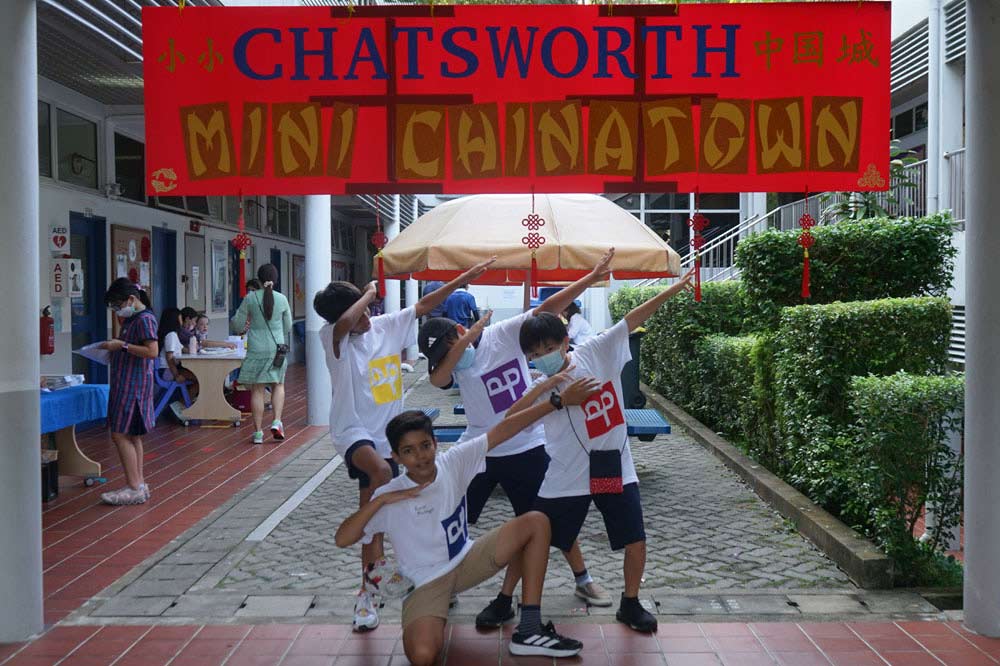
Learn by Doing: Hands-on Approaches to Entrepreneurship Education
In today's rapidly changing global economy, entrepreneurship education has transformed from being a mere added advantage to an absolute imperative. While traditional pedagogical methods retain their value, they must be seamlessly intertwined with more dynamic, experiential approaches to equip students effectively for the future.
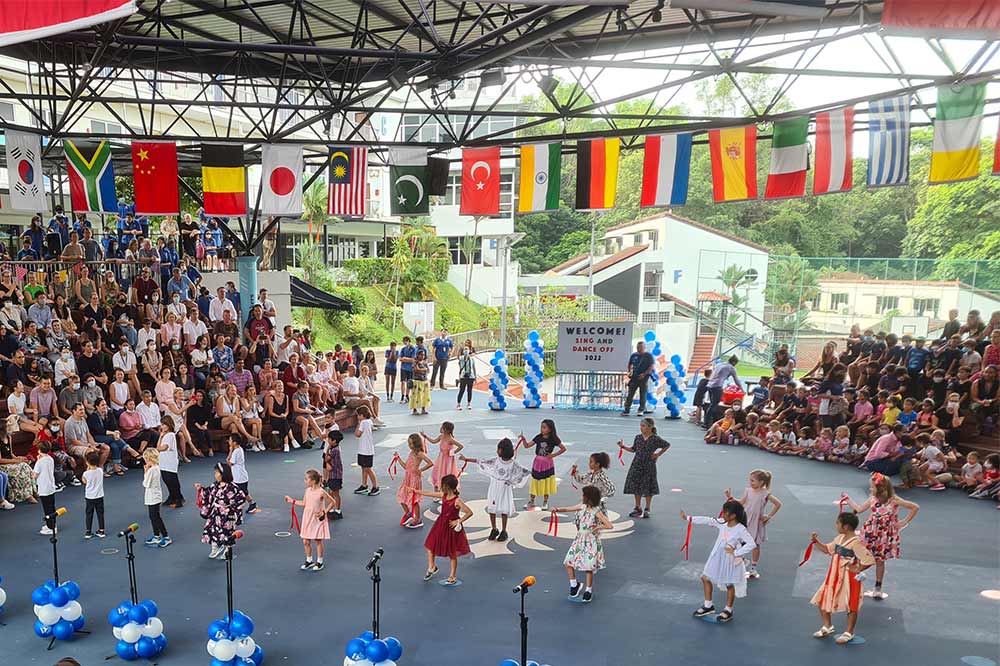
What Makes a Good International School: A Checklist for Parents in Singapore
As parents, one of the most important decisions you’ll make is choosing the right curriculum or school for your child. In Singapore, international schools are mainly set up to cater to expatriate families and thanks to their diverse, globally-minded environments, they are well positioned to prepare students for life in our interconnected world.
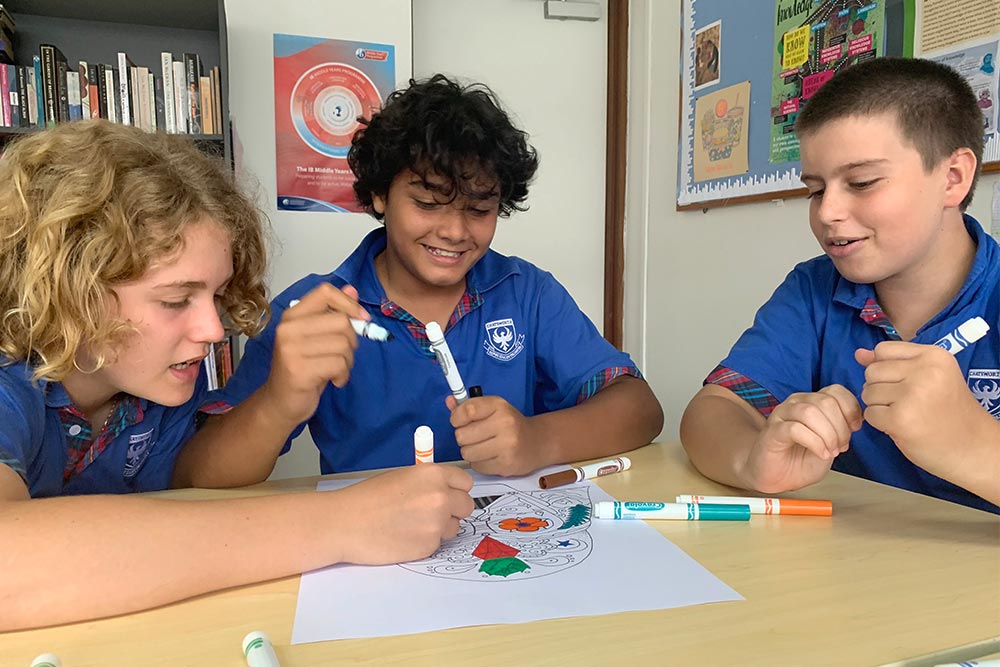
Preparing Your Child for Move to Secondary school: Tips from Chatsworth International School
The transition from primary into secondary school starts well before graduation from primary and those first days in August. As a community-focussed, K-13 school, Chatsworth International School regularly provides numerous opportunities for students throughout our year groups to interact and work collaboratively.

From Classroom to Community: How It Can Help International Students Learn Effectively
Imagine being able to step out of the traditional classroom setting and experience learning in a way that is both exciting and relevant. Community learning is all about connecting the dots between what students are learning in the classroom and the world around them. It's about taking the academic concepts and theories and applying them to real-life situations.
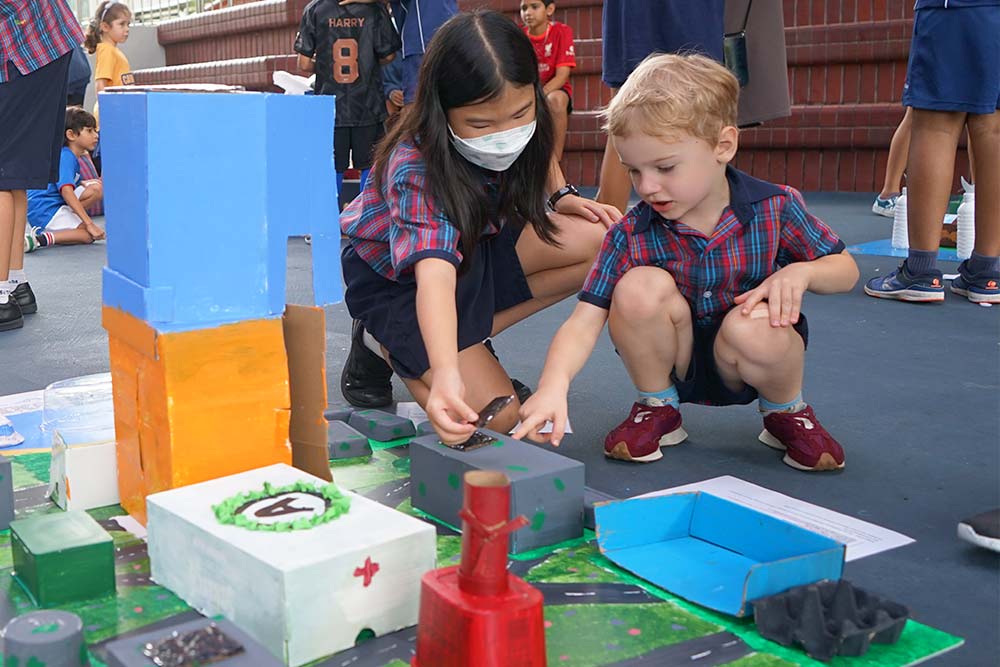
Communities of Learning at an IB School
The inquiry
As an IB school in Singapore we adopt an inquiry-based approach to teaching and learning, with a heavy emphasis on play in the early years. An inquiry approach places emphasis on “…students finding their own information and constructing their own understandings,” (I.B., 2017, p.14).

Choosing the Right Curriculum: A Guide to the IBDP and A Levels
As an educational institution, we often get asked by international students and their families about the differences between an International Baccalaureate (IB) Diploma Programme (DP) and the Singapore-Cambridge General Certificate of Education Advanced Level (GCE A-Level). Colloquially known as IBDP and A Levels respectively, both high school programmes are respected and recognised by universities globally – with some key differences.
Critical Thinking & Research Skills at Chatsworth International School
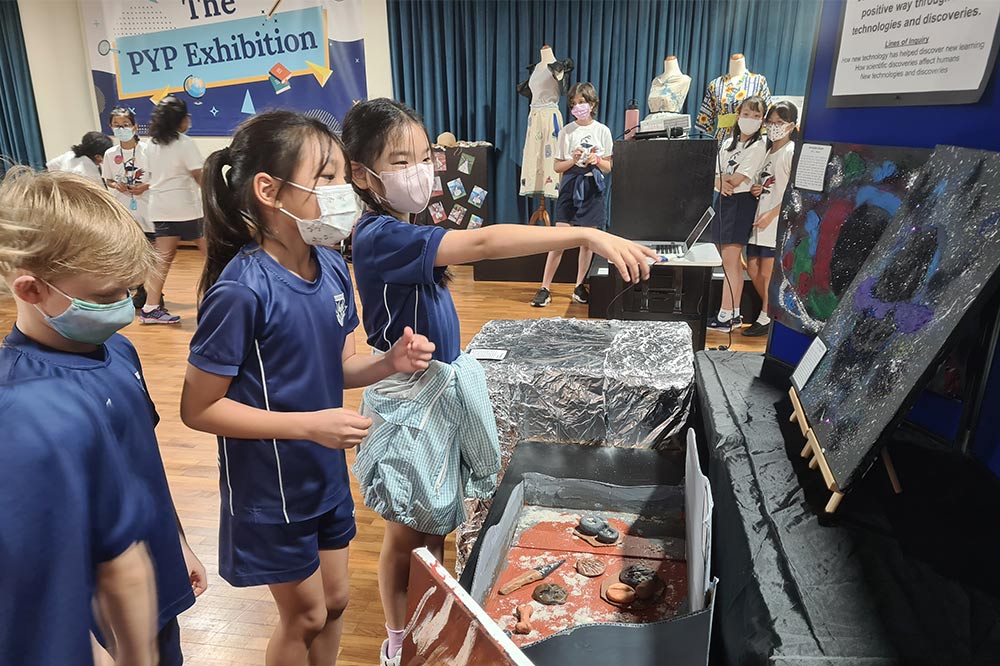
It’s no secret that our world is becoming increasingly globalised. As the world becomes more connected, it’s more crucial than ever for young people to have a well-rounded education which encompasses important life skills. In fact, qualities such as emotional intelligence, adaptability, resilience and critical skills are amongst the most highly valued skills in the twenty-first century.

Teachers as Vehicles for Resilience
If just one person in a child’s life is consistently supportive, a child is much more likely to overcome difficult circumstances...
Just one person who is enthusiastic about the child...
Just one person who lights up when the child walks into the room…
What are the Benefits of an International Based Education?
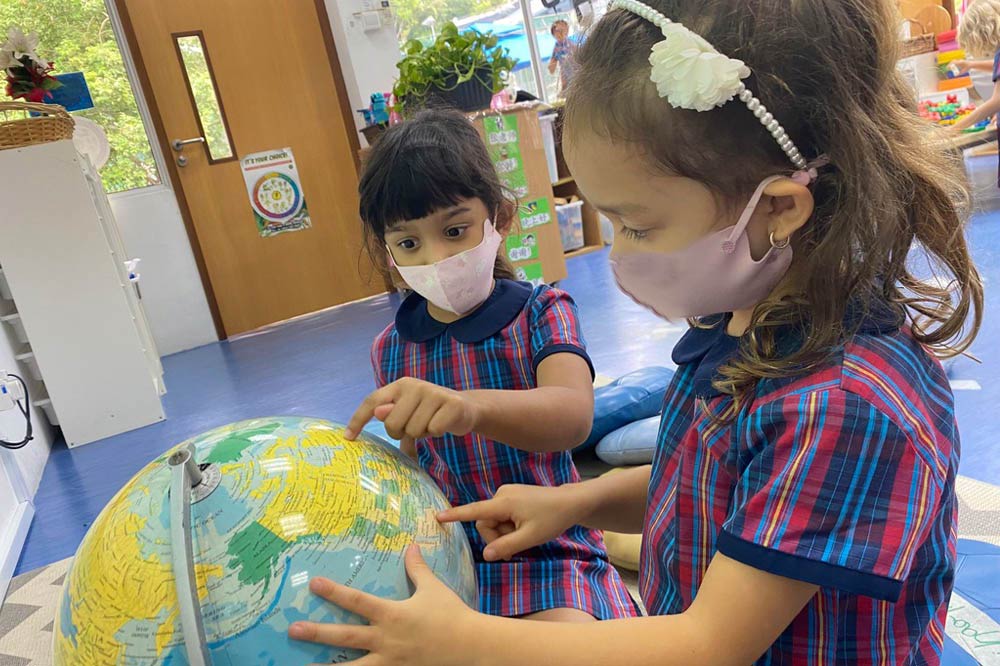
In a world that is becoming ultra-connected, it is important to get a good education so that you can be knowledgeable about the world around you. Today, schools play a crucial role in equipping students with the right tools to succeed in the future – and in the same vein, parents are also on the lookout for a school that will provide them with the best learning opportunities.