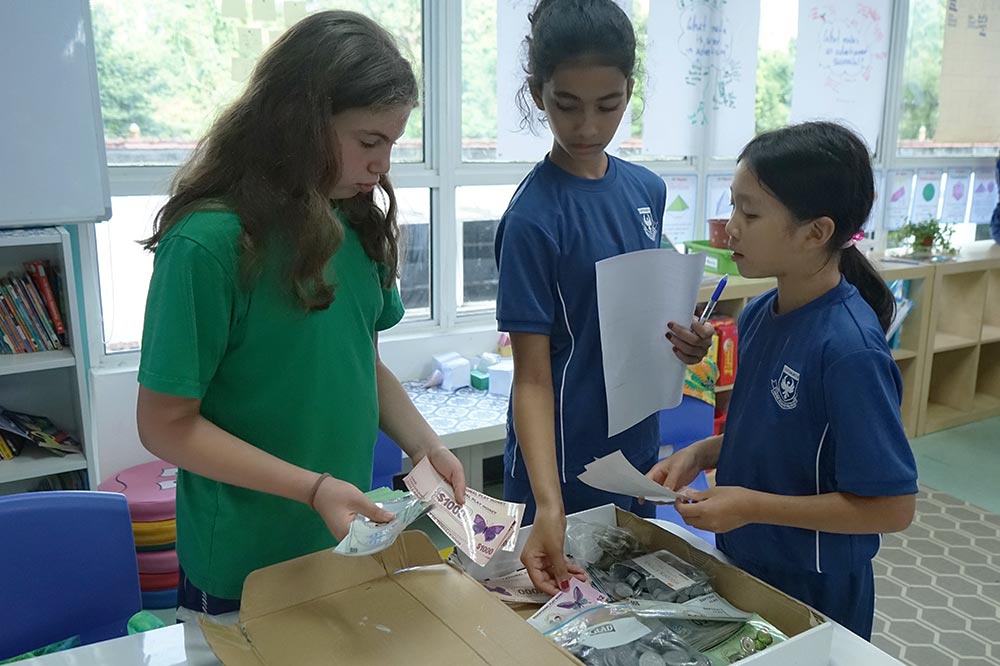
Fostering Student Agency through Classroom Economy
As educators at Chatsworth International School, we constantly strive to create an engaging and productive learning environment that promotes student agency and responsibility within our holistic IB curriculum. One innovative approach to achieving this goal is by implementing a classroom economy system. By introducing a classroom economy, we can empower students to take ownership of their learning, enhance their decision-making skills, and foster a sense of responsibility and collaboration within the classroom.
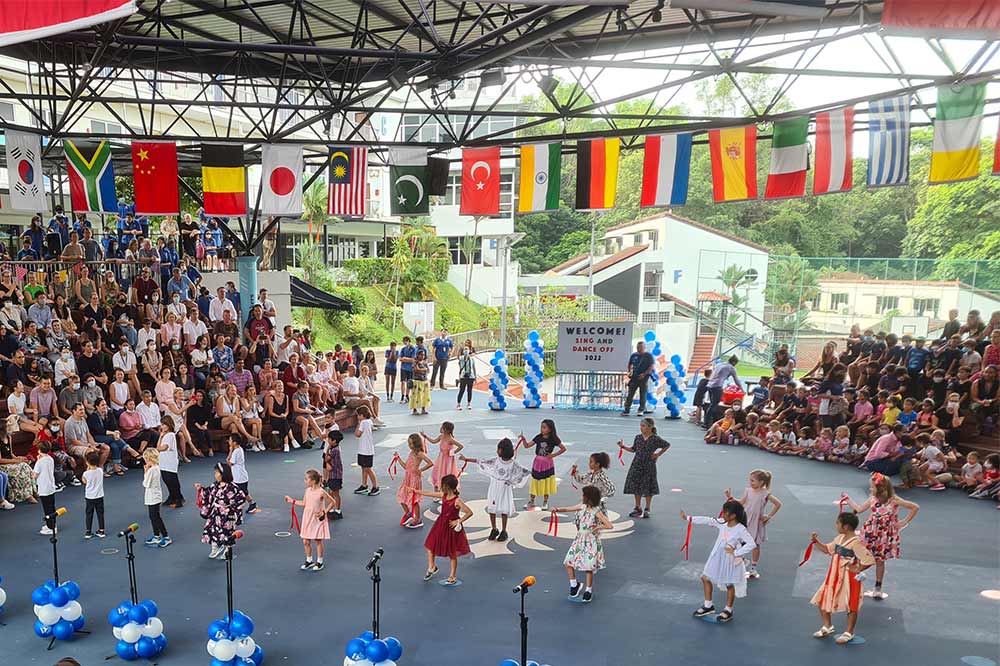
What Makes a Good International School: A Checklist for Parents in Singapore
As parents, one of the most important decisions you’ll make is choosing the right curriculum or school for your child. In Singapore, international schools are mainly set up to cater to expatriate families and thanks to their diverse, globally-minded environments, they are well positioned to prepare students for life in our interconnected world.

From Classroom to Community: How It Can Help International Students Learn Effectively
Imagine being able to step out of the traditional classroom setting and experience learning in a way that is both exciting and relevant. Community learning is all about connecting the dots between what students are learning in the classroom and the world around them. It's about taking the academic concepts and theories and applying them to real-life situations.
Choosing the Right Curriculum: A Guide to the IBDP and A Levels
As an educational institution, we often get asked by international students and their families about the differences between an International Baccalaureate (IB) Diploma Programme (DP) and the Singapore-Cambridge General Certificate of Education Advanced Level (GCE A-Level). Colloquially known as IBDP and A Levels respectively, both high school programmes are respected and recognised by universities globally – with some key differences.
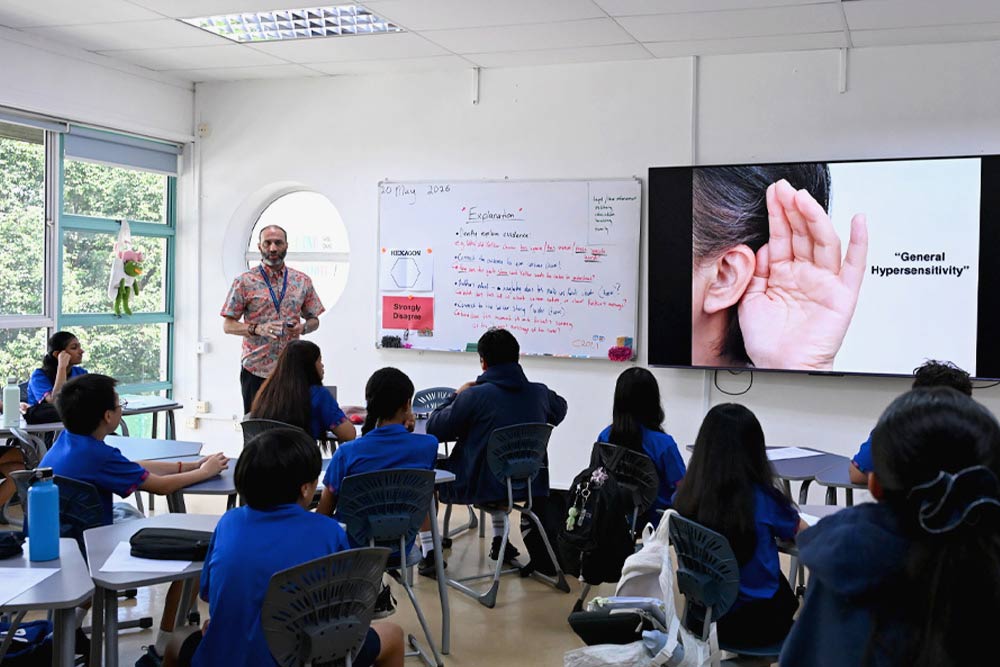
Critical Thinking & Research Skills at Chatsworth International School
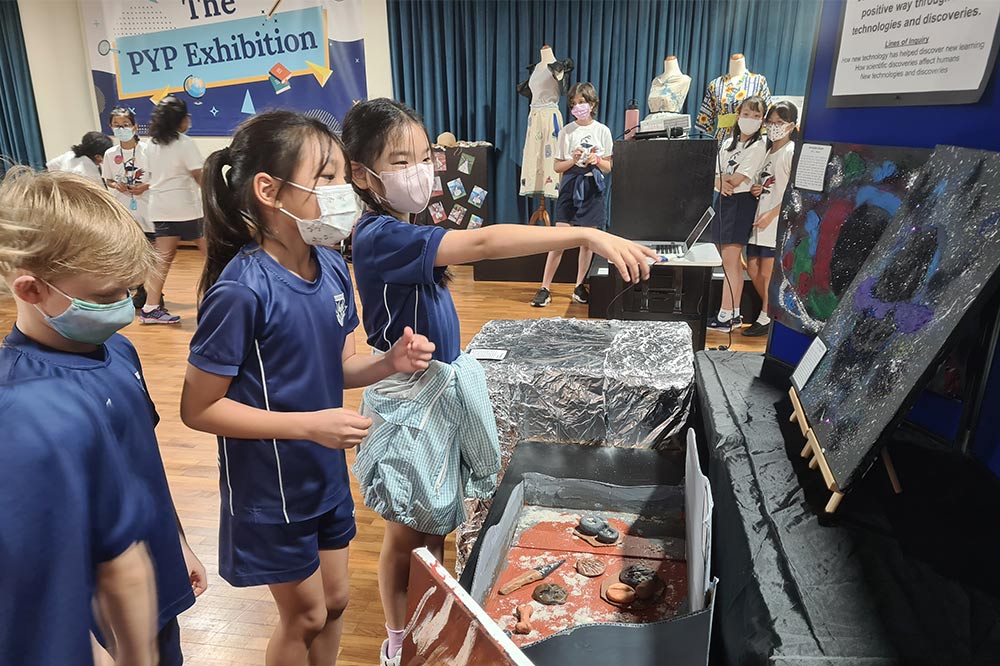
It’s no secret that our world is becoming increasingly globalised. As the world becomes more connected, it’s more crucial than ever for young people to have a well-rounded education which encompasses important life skills. In fact, qualities such as emotional intelligence, adaptability, resilience and critical skills are amongst the most highly valued skills in the twenty-first century.
What are the Benefits of an International Based Education?
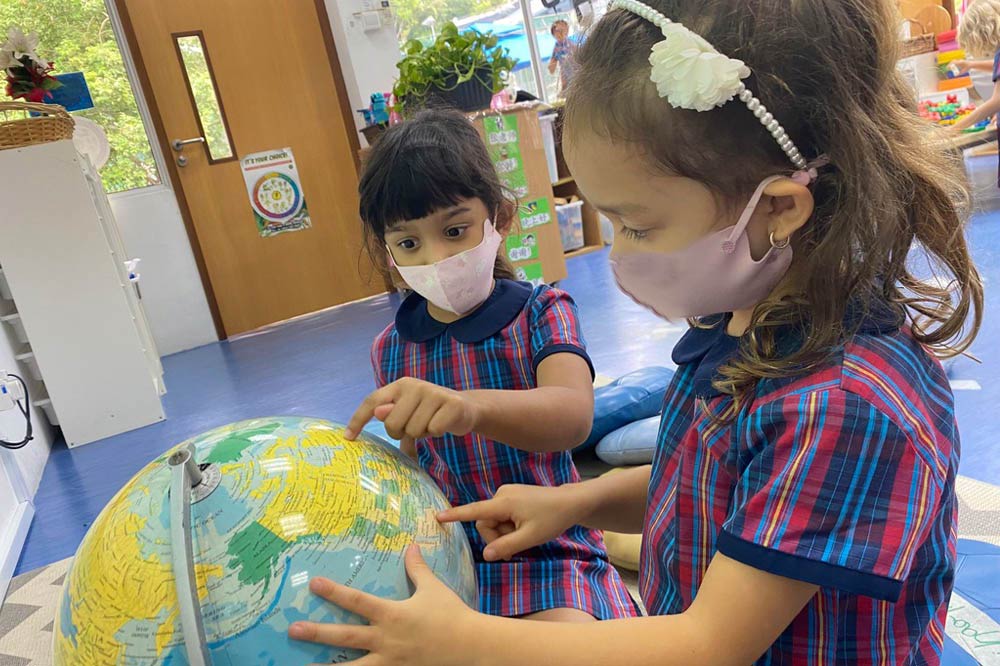
In a world that is becoming ultra-connected, it is important to get a good education so that you can be knowledgeable about the world around you. Today, schools play a crucial role in equipping students with the right tools to succeed in the future – and in the same vein, parents are also on the lookout for a school that will provide them with the best learning opportunities.
Singapore in 8 Poems: Learning about Singapore Culture through Literary Encounters
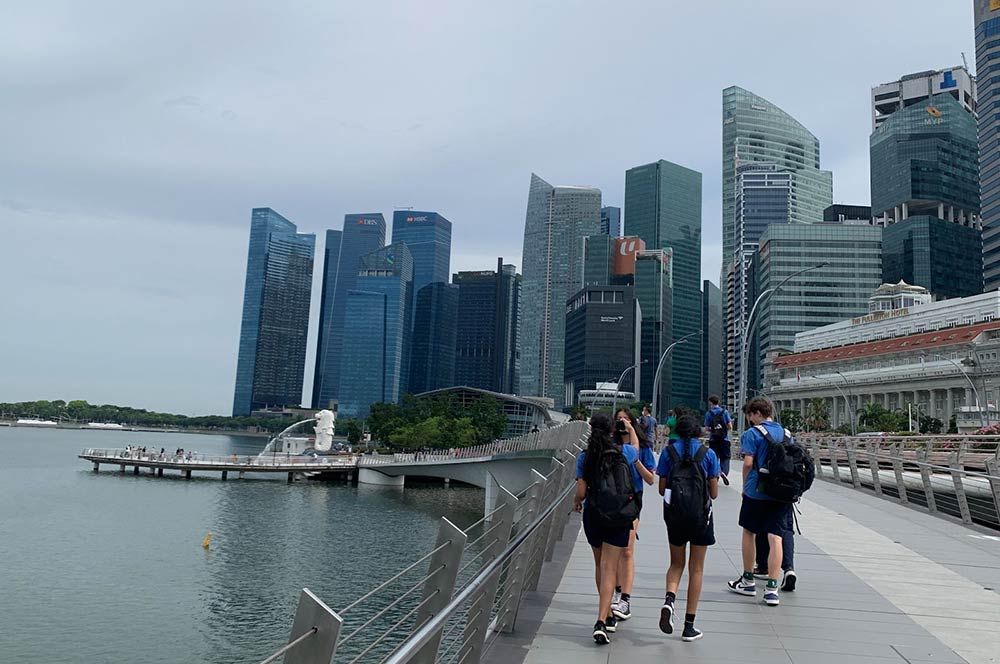
The global COVID-19 pandemic has brought us many challenges over the past two years. From health woes, prolonged absences from school and the loneliness brought about by weeks of HBL, this new world order has given many of us new perspectives on some of the pre-COVID luxuries we took for granted.

What is Service Learning: Benefits and its Role in Academics
Education is not always limited to studying from textbooks. Outside of school, the world is a classroom which holds an expanse of valuable lessons and life experiences. For students, a wholesome curriculum can help them become responsible and respectful individuals – and one of the best ways is through service learning.
In essence, service learning is deeply rooted in community building. For example, activities are centred around encouraging civic-centric engagement such as community outreach theatre and recycling programmes.
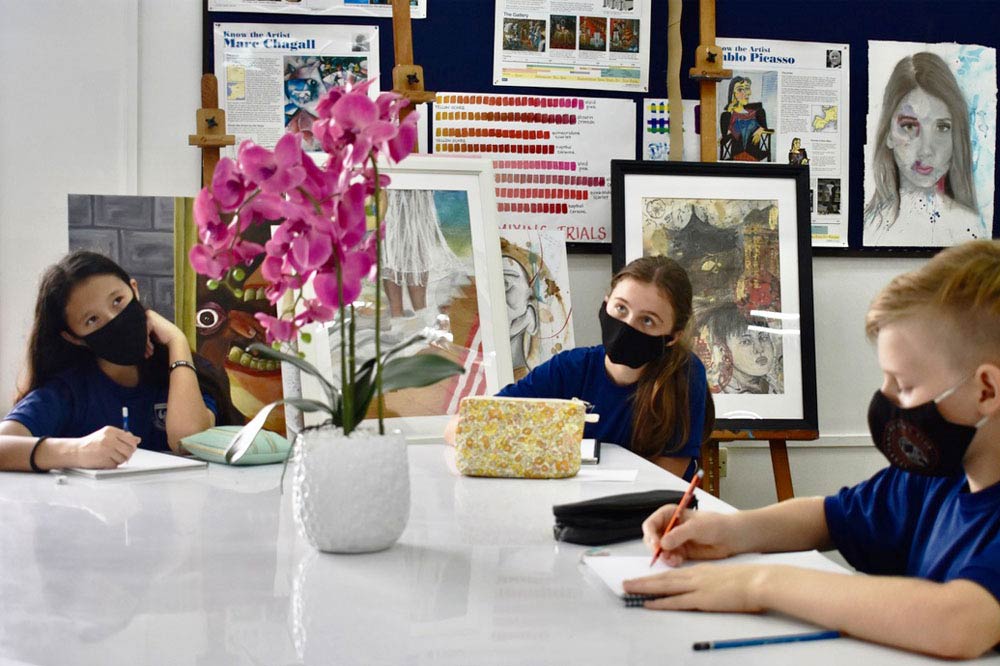
Easel Up: Why Art Education is Important in a Holistic Learning Journey
Not long ago, art education was considered as a leisure activity – something to be enjoyed as a hobby or to while away time. Today, art has become an important part of our everyday lives. We see it in the clothes we wear, the dishes we tuck into, and the technology we use.
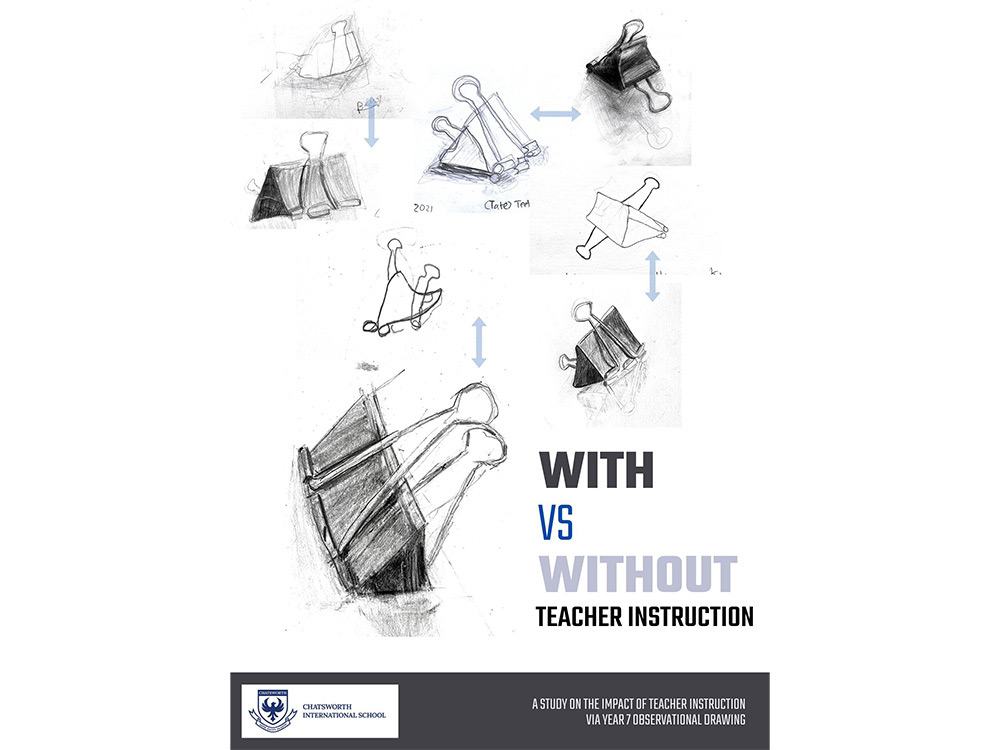
Observational Drawing - teaching students how to see like an artist
Over the course of my career teaching the visual arts I have come to be more judicious about telling students to “draw with your eyes, not with your hand”. One must be mindful of direct translation, especially in a non-native English speaking environment. What I am trying to convey to students is to draw what they see, not what they think they see. In other words, to ‘draw’ with their eyes, not with their minds.