
Understanding Personal Inquiry and Its Importance in the Classroom
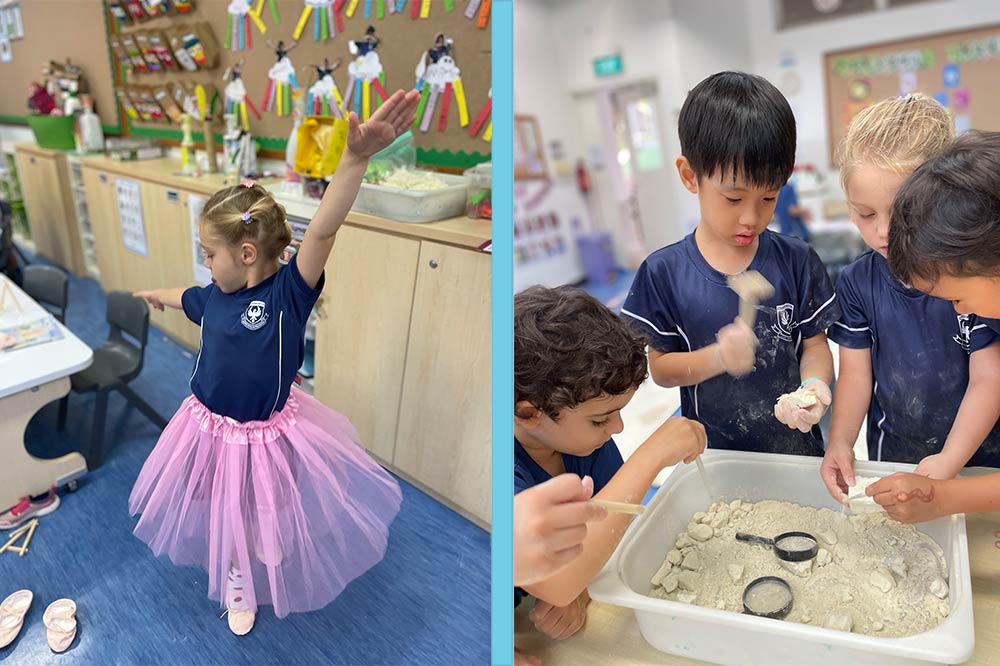
Personal inquiry is an educational approach that guides students to take an active role in their learning journey. It involves encouraging individuals to explore topics, issues, or questions that personally interest them. This nurtures a classroom environment that evokes a sense of curiosity and ownership over the learning process. Throughout the process, the uniqueness of each learner is recognised and aims to tailor the educational experience to their individual needs, interests, and strengths.
In modern education, it is crucial to foster the growth of personal inquiry, providing students with the skills necessary to delve deeper into their curiosity as the educational terrain continues to evolve.
Kath Murdoch's book, Getting Personal with Inquiry Learning, opens with a thoughtful reflection by Yong Zhao. In his foreword, Zhao highlights the personal inquiry process of being one that involves students in exploration and discovery, aligning with their innate nature as natural explorers. He highlights the inherent human need to rely on this exploration for survival and thriving. Zhao points out a contrast in traditional school practices, which can sometimes favour direct instruction methods that explicitly deliver content. Consequently, he highlights the diminishing priority given to the inherent inclination for personal inquiry as children move through the educational system.
Inspired by Kath Murdoch's principles, the journey into teaching personal inquiry in the classroom can be deeply influenced. Throughout this exploration, the four stages of personal inquiry will be highlighted: lighting the spark, allocating ‘discovery time’, explicitly focusing on fostering the IB learner profile attributes as students navigate through the inquiry process, and presenting and sharing their findings.
Lighting the Spark
The initial phase of the personal inquiry process is known as 'lighting the spark.' During this stage, the focus is on prompting students to discover topics, issues, or questions that pique their curiosity. While some students may initially encounter challenges in identifying and expressing their interests, it's crucial to recognize that everyone harbours an area of interest. Murdoch underscores the teacher's responsibility to "gently provoke, nurture, and question" while being observant, attentive, and trusting that they will guide each learner in connecting with their inherent curiosity.
Discovery Time
Classrooms require intentional efforts to create an environment that fosters curiosity. It is important to carve out designated "discovery time” at least once a week. This is a time where students get the opportunity to explore ideas and concepts using various activities and resources like materials, nature walks, journals, and inspiration boards that serve as provocations, sparking further exploration.
Displaying the personal inquiry process is crucial as students can visually see the significance of every stage in the cycle. When students witness their thoughts, reflections, and ideas showcased for others, they take ownership of their learning. Making learning visible by utilising classroom walls not only acknowledges the efforts of learners but also provides models and examples for others. This practice also contributes to building a resource bank that enhances our teaching approach.
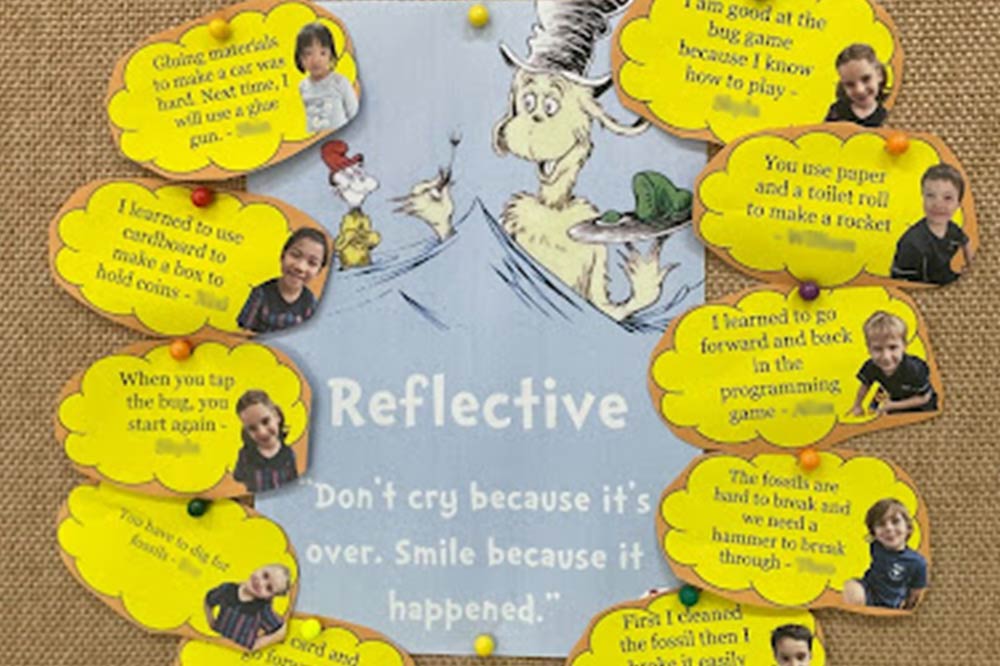
Explicitly Focusing on IB Learner Profile Attributes
Engaging in the inquiry learning process presents students with challenges, requiring them to tackle problems, articulate their ideas effectively, and pose questions to enhance further understanding. Recognizing these challenges, it becomes crucial to instil the attributes of the IB learner profile in students from the early stages of the inquiry cycle. By establishing a clear intention before each lesson and encouraging students to select specific attributes to concentrate on, we provide a structured framework for their development. For instance, if a student identifies a need to be a more diligent ‘inquirer’ during the exploratory phase, they might actively seek opportunities to ask probing questions and conduct additional research. This intentional integration of the IB learner profile attributes fosters a holistic approach to learning and personal growth.
Presenting their findings
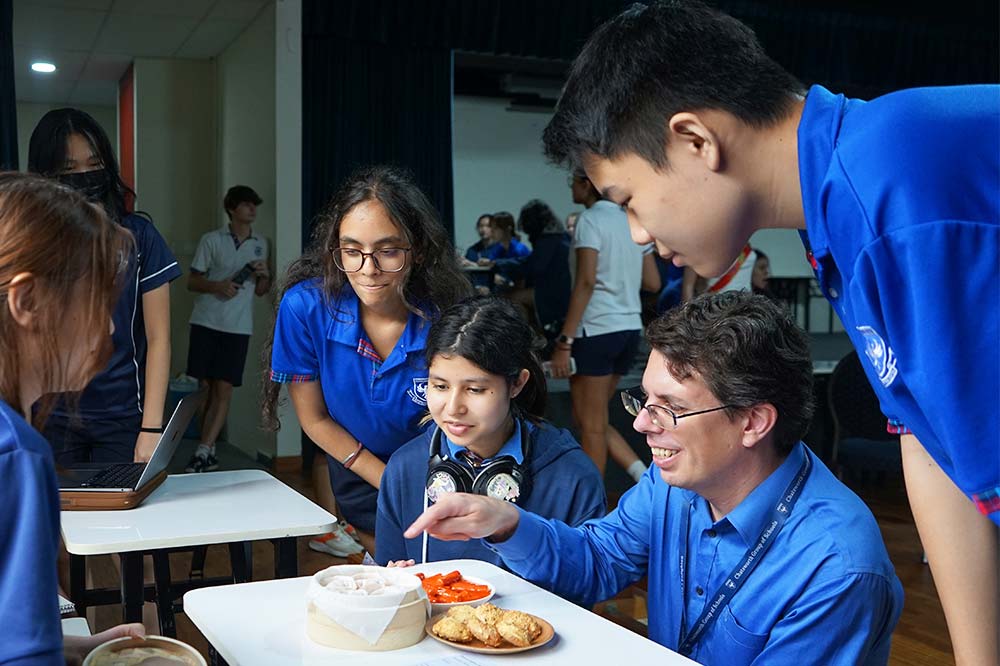
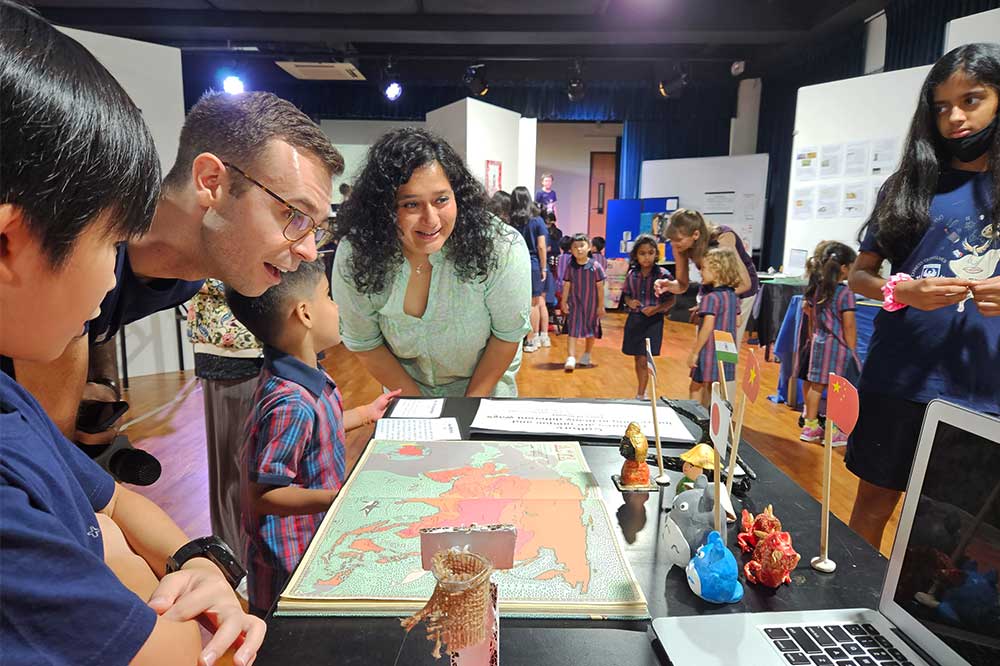
Presenting findings in the classroom through a range of ways such as videos, interviews, booklets, and posters is a vital and enriching aspect of the inquiry process. These various presentation methods allow students to express their understanding and insights in ways that resonate with their individual strengths and creativity. Moreover, it cultivates a collaborative and interactive classroom environment, where students learn from one another's discoveries.
Engaging in personal inquiry allows students to apply the knowledge gained from inquiry learning into other subject areas such as maths, reading, and writing. In these other subject areas, there can tend to be a more structured setting within the learning environment. The teacher serves as a facilitator, demonstrating and supporting essential skills through modelling and scaffolding while providing instruction in key areas of knowledge. Personal inquiry stands apart as a deliberate form of teaching, where students are empowered to pursue their own lines of inquiry and actively apply what they've learned through action. As such, it can also prove to be a reliable means of assessment of learning.
Personal inquiry is the compass guiding students on a lifelong journey of learning. Self-directed exploration is a key component during the inquiry process. Learners are equipped with crucial skills to practise thinking critically. Beyond the classroom, the principles of personal inquiry become the cornerstone for a lifetime of curiosity and continual growth. Students delve into their passions, question the world around them, and share their discoveries. A growth mindset that is cultivated during personal inquiry ensures they remain enthusiastic and engaged learners throughout their lives.
Inquiry at Chatsworth
Chatsworth International School places a strong emphasis on inquiry-based learning within the framework of the International Baccalaureate programme. The incorporation of the IB learner profile attributes is a key element when teaching both personal and shared inquiry. This dual focus not only complements each other but also enriches the classroom experience, promoting academic development as well as critical thinking and a genuine passion for learning. Chatsworth is dedicated to preparing students for success by providing a holistic education that aligns with the demands of a dynamic global landscape, perfectly complemented by the process and skills learned during personal inquiry.
__________________
References
1Murdoch, Kath, and Yong Zhao. Getting Personal with Inquiry Learning: Guiding Learners’ Explorations of Personal Passions, Interests, and Questions, Elevate Books EDU, Del Mar, CA, 2022, p. 11.
2Murdoch, Kath. “Lighting the Spark.” Getting Personal with Inquiry Learning: Guiding Learners’ Explorations of Personal Passions, Interests, and Questions, Elevate Books EDU, Del Mar, CA, 2022, p. 86.